
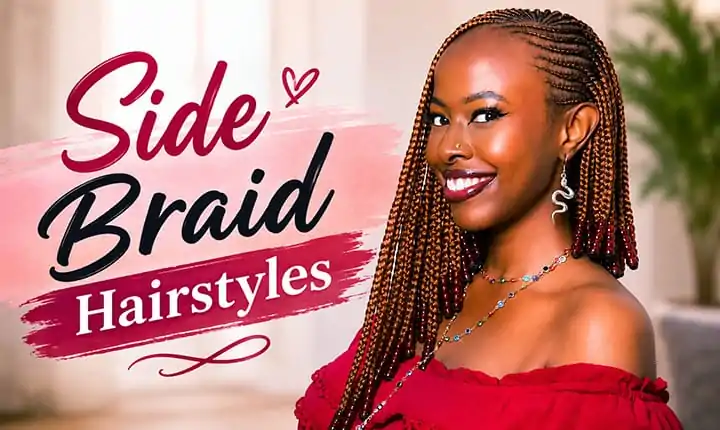
Side braid hairstyles sweep some or all of your braids over to one side of your head. This creates a bold, asymmetrical look. You can wear side braids with box braids, cornrows, twists, or micro braids. Black women have styled hair this way for generations.
Today, this classic look feels fresh again. Stylists mix side braids with curls, buns, ponytails, and even a shaved mohawk. Some styles cover your whole head in braids. Others leave your natural afro out on one side.
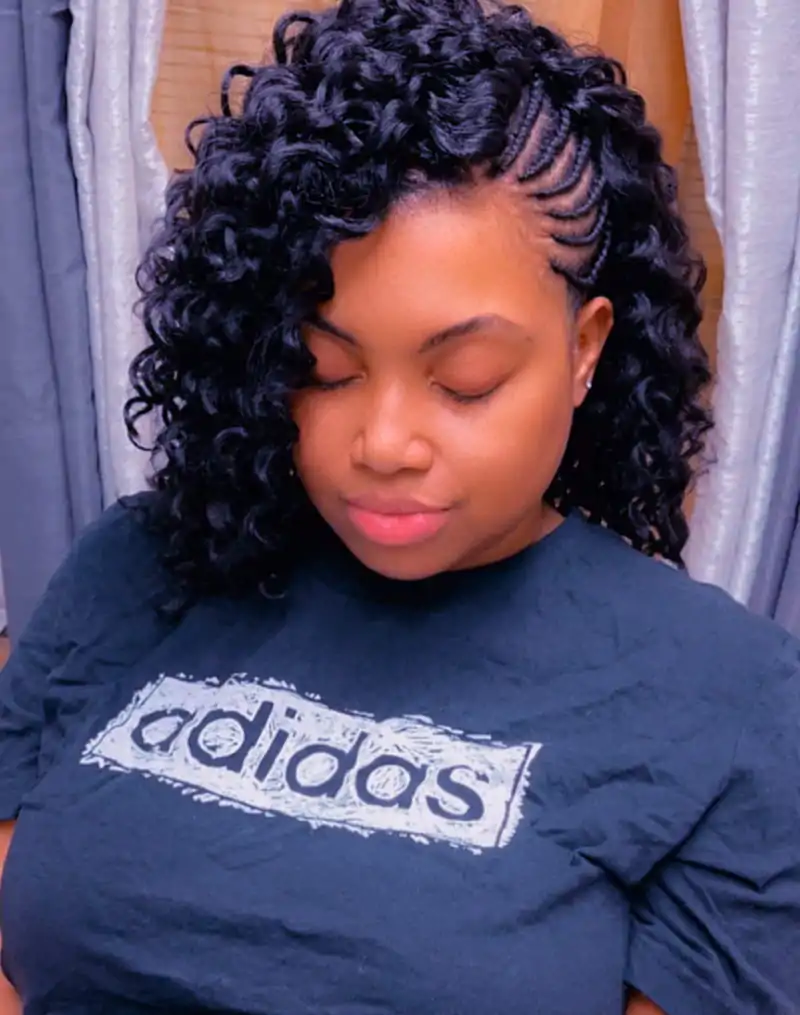
No two side braid looks have to be the same. You can go big and bold with thick tribal braids. Or, you can keep it soft with a few delicate face-framing pieces. Either way, this style works for school, work, vacation, or a night out.
In this guide, we walk through 15 of the best side braid hairstyles right now. Each one comes with real photos, videos, and styling tips. So, let’s find the braid that fits your hair, your face shape, and your life.
Why Choose Side Braid Hairstyles?
Side braid hairstyles do more than look good. They protect your natural hair, too. Braiding tucks your ends away from daily friction. This means less breakage and fewer split ends over time.
Also, side braids fit almost every hair type. They work on coily hair, curly hair, and relaxed hair. They work with wigs, weaves, and clip-in extensions, too. No matter where you are in your hair journey, there’s a side braid style for you.
View this post on Instagram
Side braids flatter every face shape as well. A deep side part can add height to a round face. A soft, sweeping braid can soften a square jawline. You control the drama through your part and braid size.
Finally, side braids save you real time and money. One style can last for weeks at a time. That means fewer salon visits and less daily styling. Plus, you get endless ways to switch things up. Add beads, color, and a wrap. The options never run out.
The Complete Side Braids Hairstyle Guide
Ready to find your next go-to look? Below, you’ll find 15 side braid hairstyles, each with real photos and videos. We cover everything from bold Fulani braids to soft braid-out curls. Every section breaks down the best hair type, face shape, and styling steps for that look. We also cover cost, time, and product picks. Some styles need a salon chair. Others take an hour at home. Scroll through, save your favorites, and screenshot the ones you want to bring to your stylist. Let’s get into the styles.
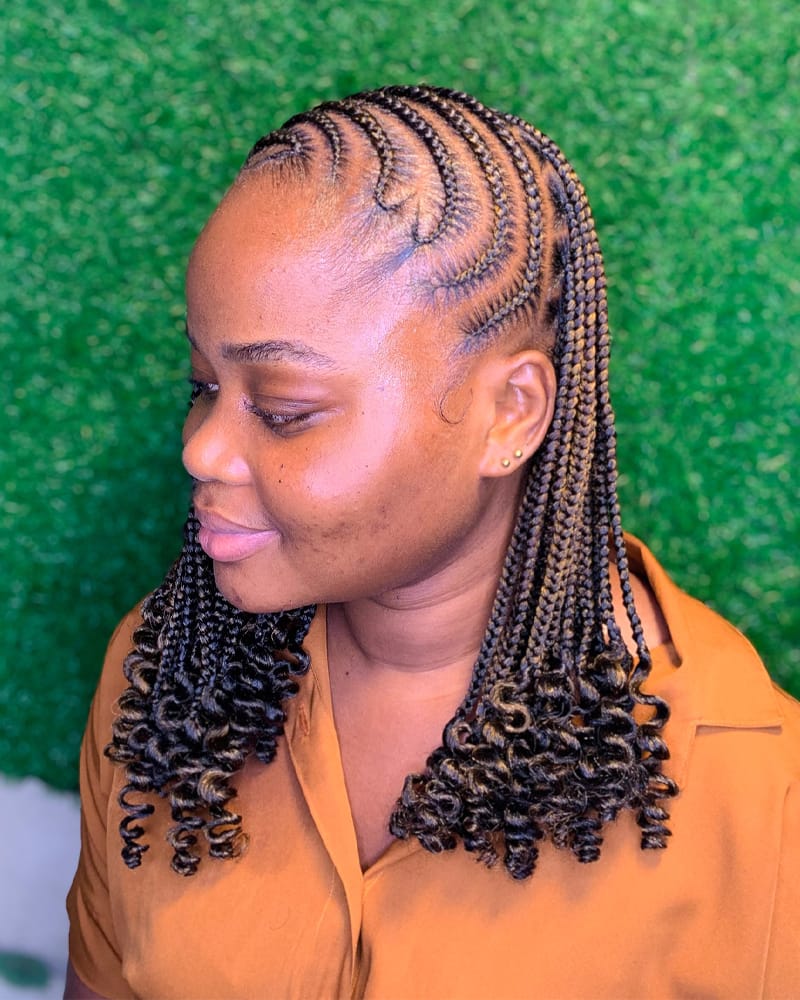
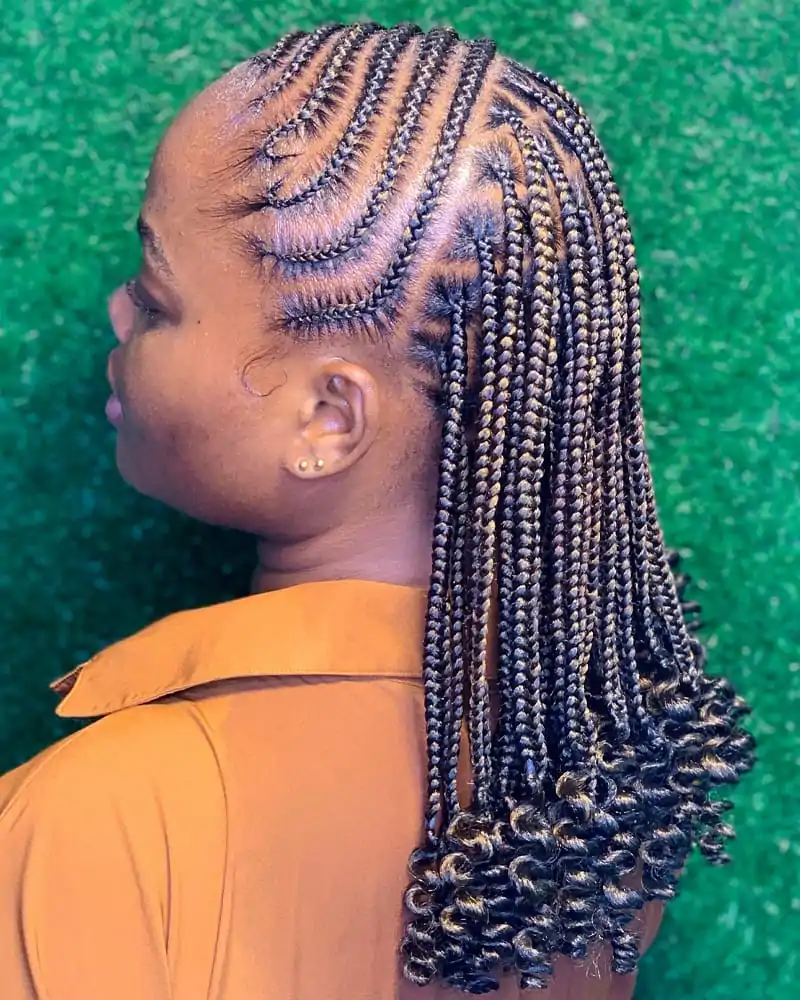
Lemonade Braids: A Bold Side-Swept Classic
Lemonade braids are cornrows swept dramatically to one side. This style got its name after Beyoncé wore it in her Lemonade visual album. The braids start small near your part. They grow thicker as they travel down your head, often past your shoulder.
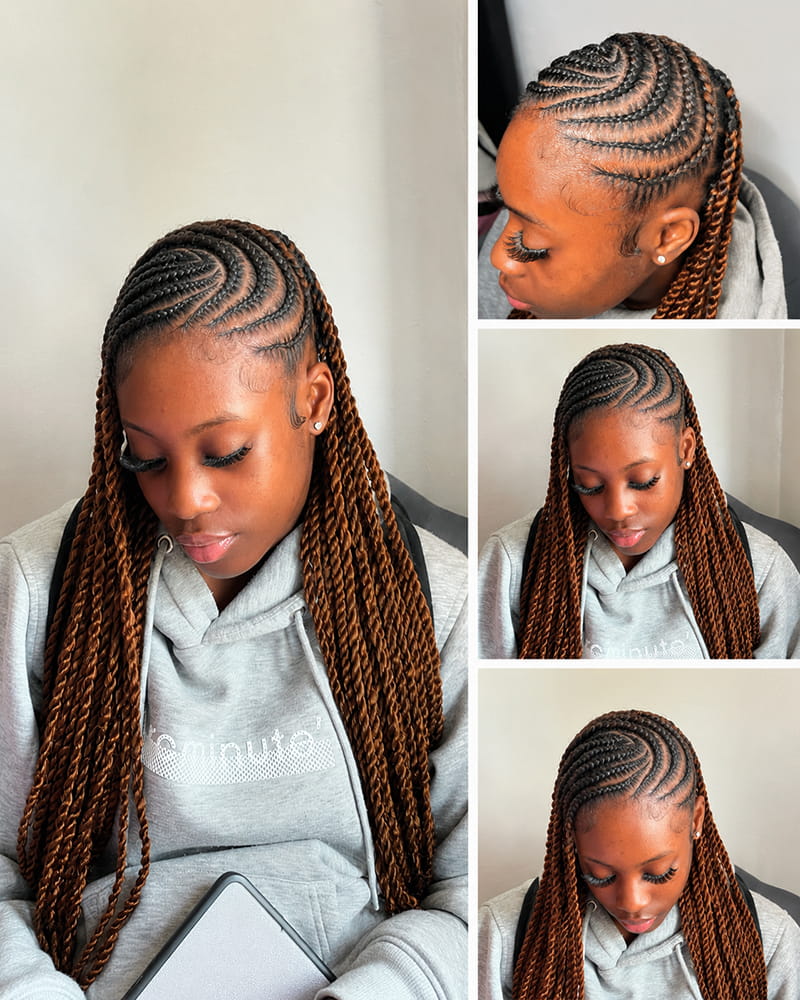
This style shines on coily and curly hair, from 3B to 4C. It flatters oval, heart, and round face shapes especially well. The deep side part adds instant height and angles to your look.
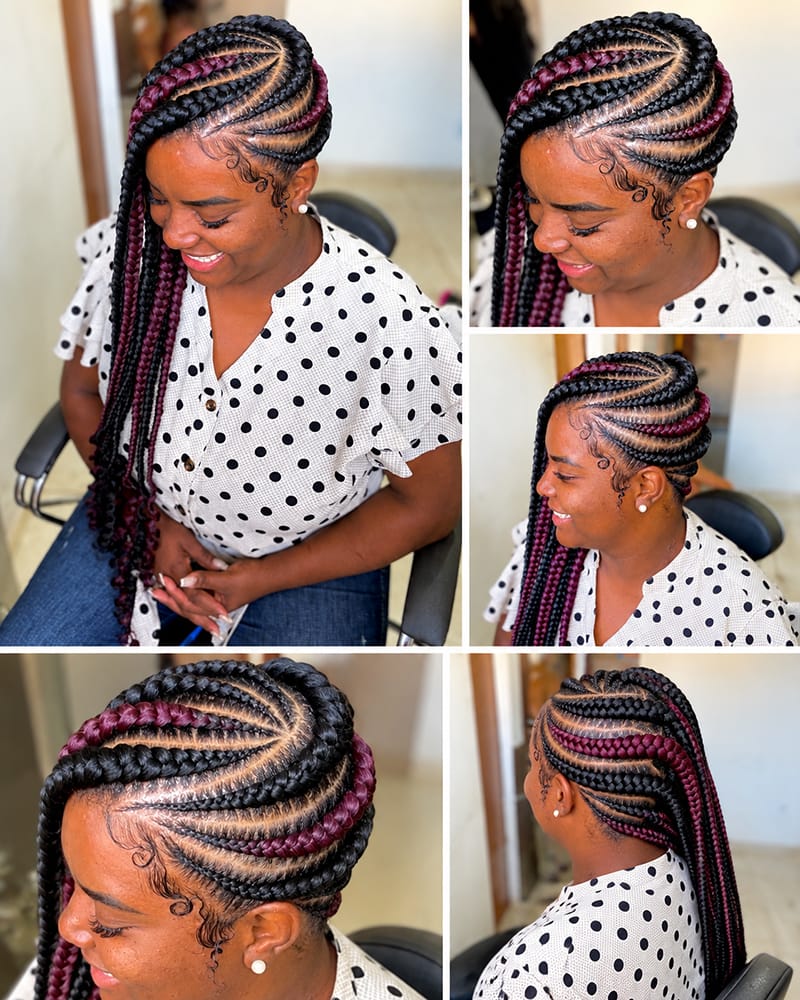
To style this look, your braider parts your hair in a deep zigzag. Then, she braids each row flat against your scalp toward one side, adding braiding hair for length.
- Salon vs. home: Best left to a professional braider for clean, even rows.
- Cost: $120 to $250, depending on length and braider.
- Time: Three to five hours.
- Products: Edge control, braid spray, and a light scalp oil.
- Longevity: Four to six weeks with proper care.
- Pros: Long-lasting, low daily upkeep, endless styling options.
- Cons: The install takes a while, and tight parts can pull on your edges.
Flip-Over Fulani Braids for a Trendy Twist
Flip-over Fulani braids put a fresh spin on a West African classic. Traditional Fulani braids use a center cornrow with beaded sections framing the face. This flip-over version adds one dramatic braid that folds over the top of your head.
View this post on Instagram
This look works best on medium to long natural hair or braiding hair. It suits oval and heart face shapes especially well, since the flipped braid draws the eye up and across your forehead.
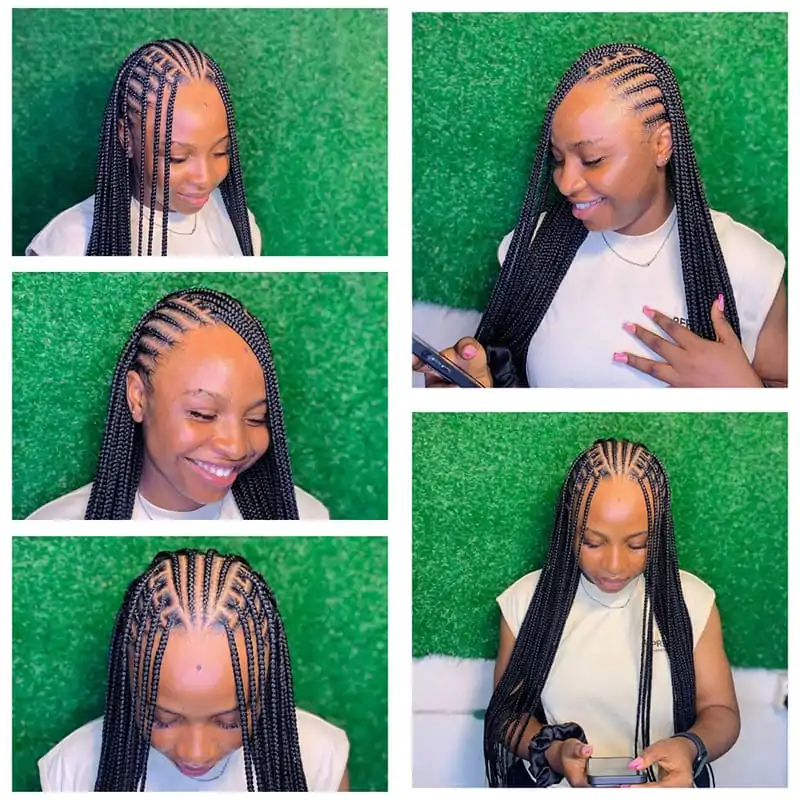
Your stylist first cornrows the base close to your scalp. Then, she braids one thick section on its own. She flips it over the top and secures it with thread or beads.
- Salon vs. home: A skilled braider gets the flip clean and secure.
- Cost: $100 to $220.
- Time: Two to four hours.
- Products: Braiding gel, edge control, and a light shine spray.
- Longevity: Four to six weeks.
- Pros: Unique, eye-catching, and gentle on your hairline overall.
- Cons: The flipped section may need re-securing as it grows out.
Tribal Braids with Side Drapes
Asymmetrical tribal braids bring big, bold texture to one side of your head. Also called Ghana braids, this style uses thick cornrows in creative, curved patterns. Loose side drapes hang past your shoulder for extra drama.
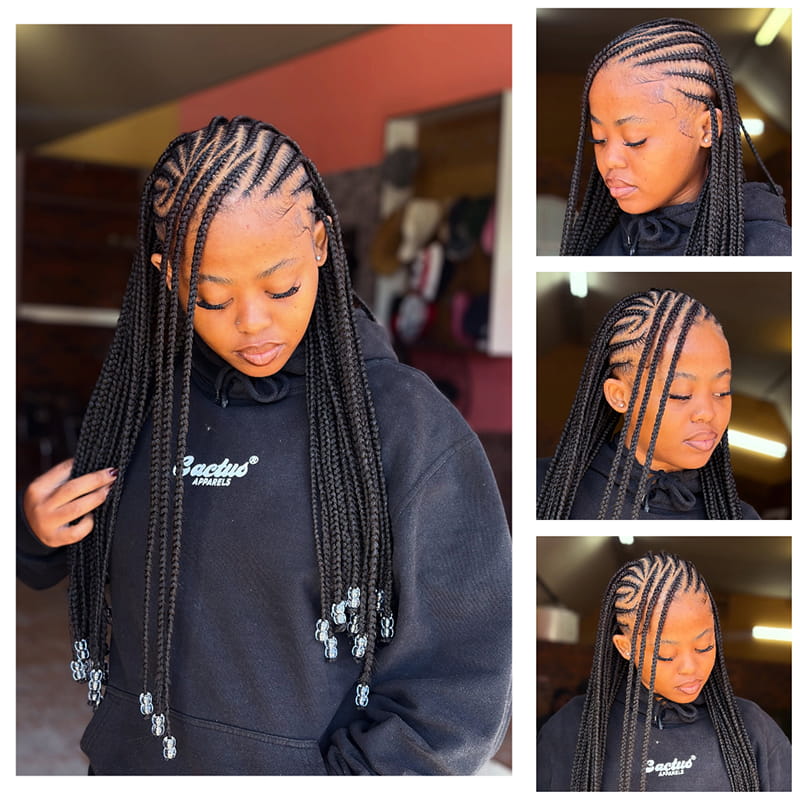
This style looks beautiful on 4A to 4C natural hair. It flatters round and square face shapes, too. The asymmetry breaks up strong jawlines and adds soft movement near your face.
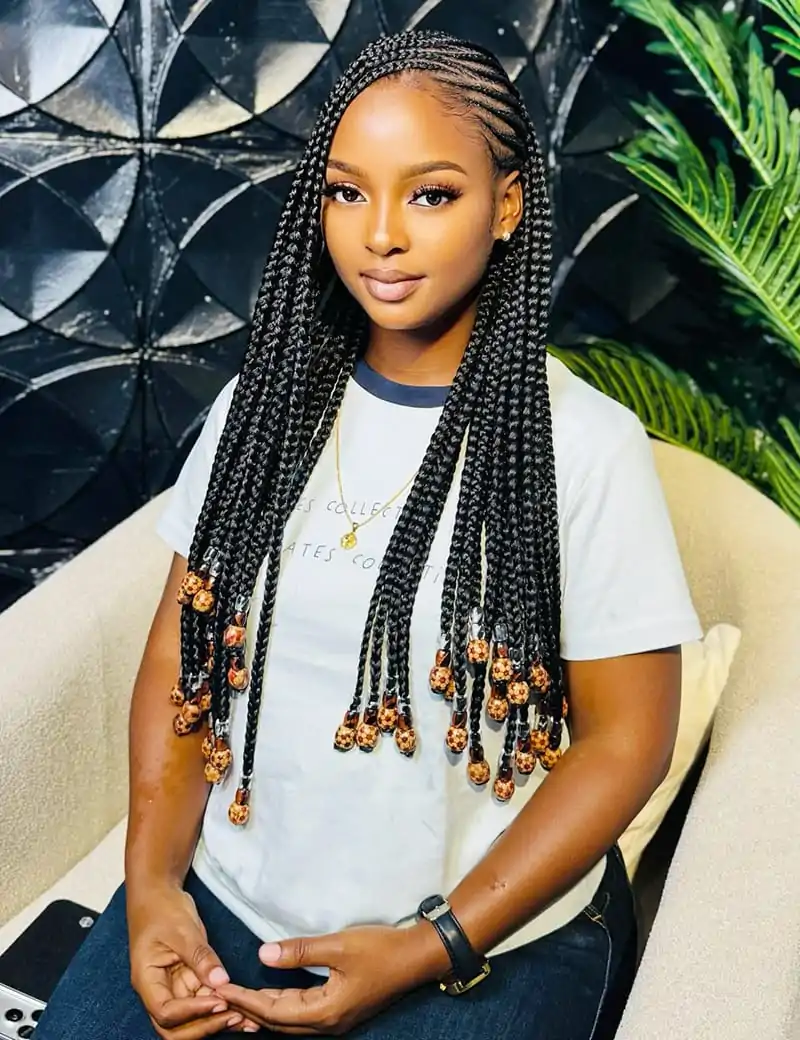
Your braider cornrows thick sections in a curved or geometric pattern. She adds braiding hair for length. Then, she lets a few braids drape loosely over one shoulder for the finishing touch.
- Salon vs. home: Best done by a professional, given the intricate pattern work.
- Cost: $130 to $260.
- Time: Three to six hours.
- Products: Braid gel, edge mousse, and a boar bristle brush for smoothing.
- Longevity: Four to eight weeks.
- Pros: Bold, artistic, and it holds up well over time.
- Cons: Thicker braids add weight, so take breaks if your scalp feels tight.
Asymmetrical Fulani Braids with a Deep Side Part
This style mixes two favorites: Fulani braids and a deep side part. Thin cornrows frame your face, while thicker braids sweep to one side. Beads or gold cuffs usually finish the look.
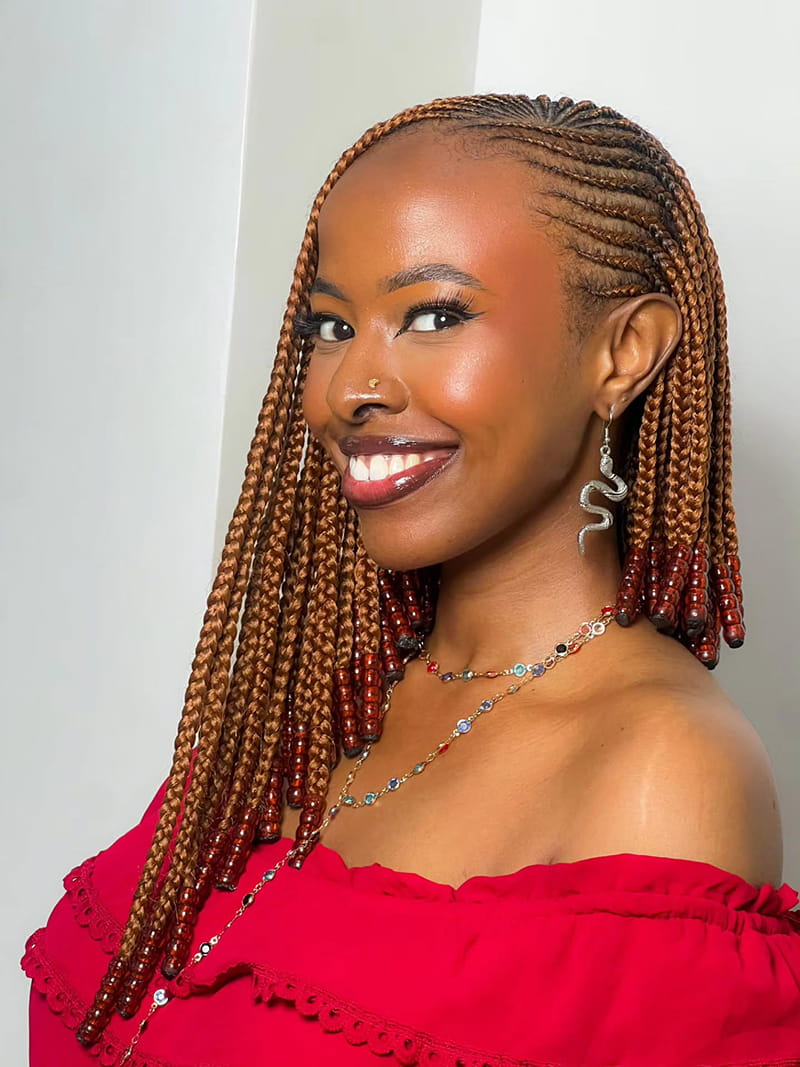
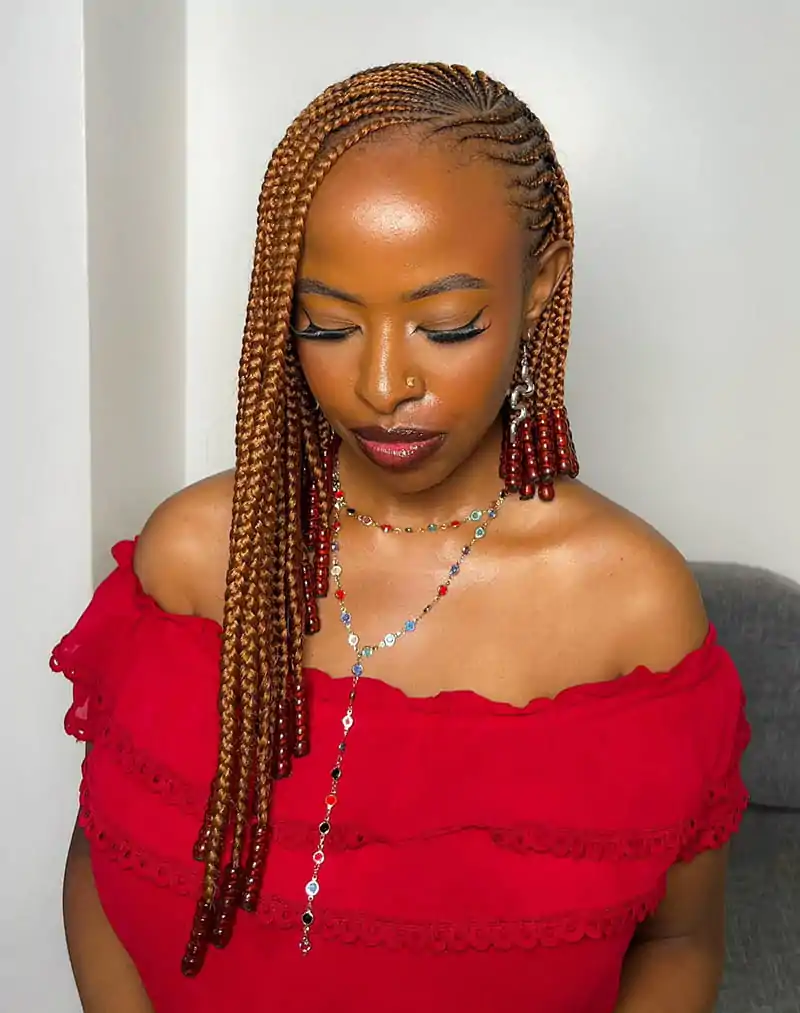
Fine to medium natural hair works great here. So does braiding hair for extra length and fullness. This style flatters long, oval, and diamond face shapes the most, since the deep part adds width to narrower faces.
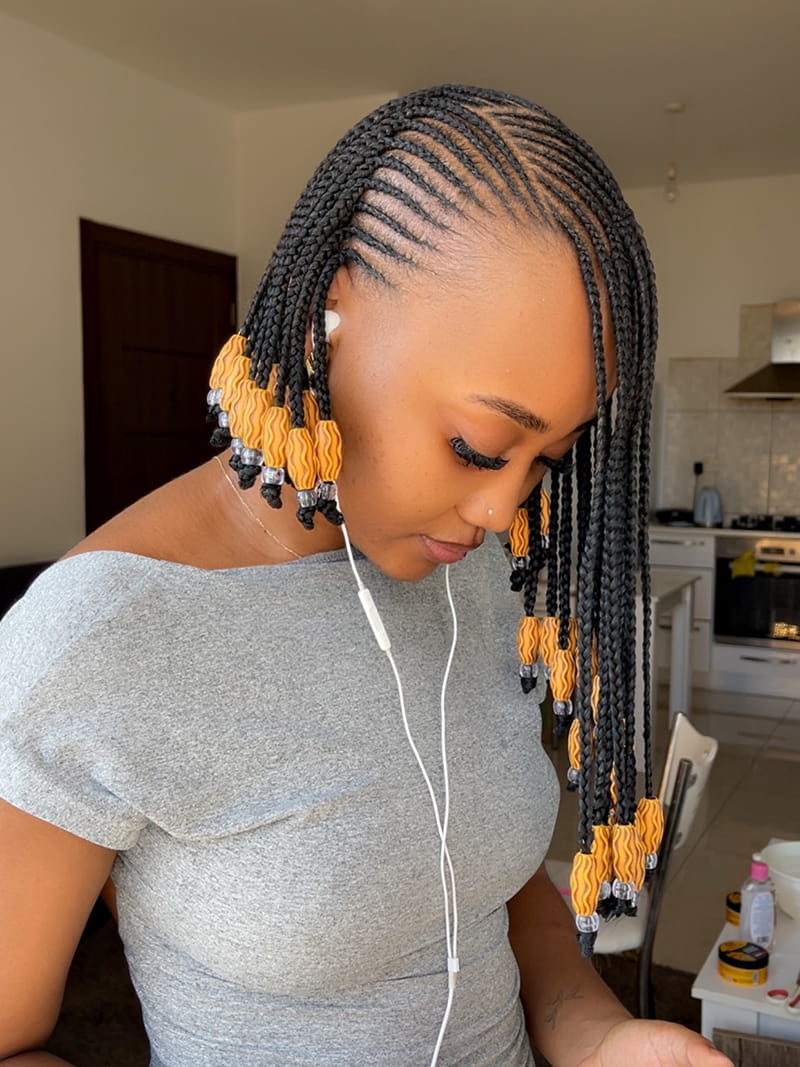
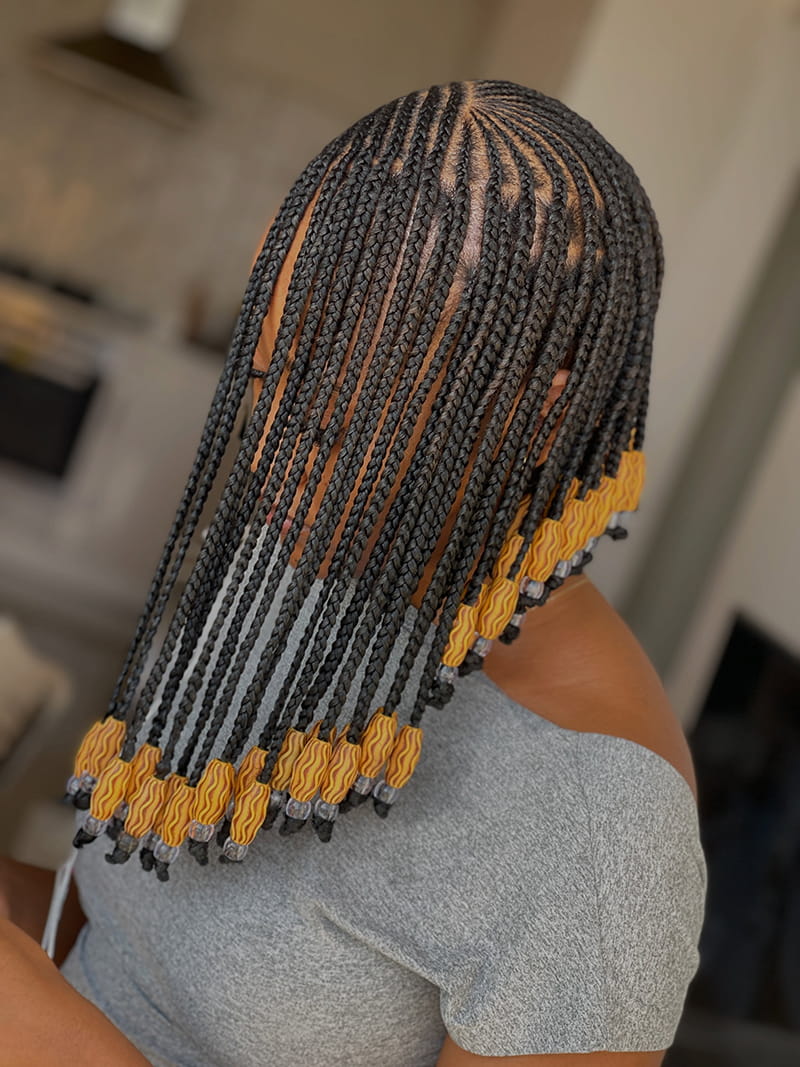
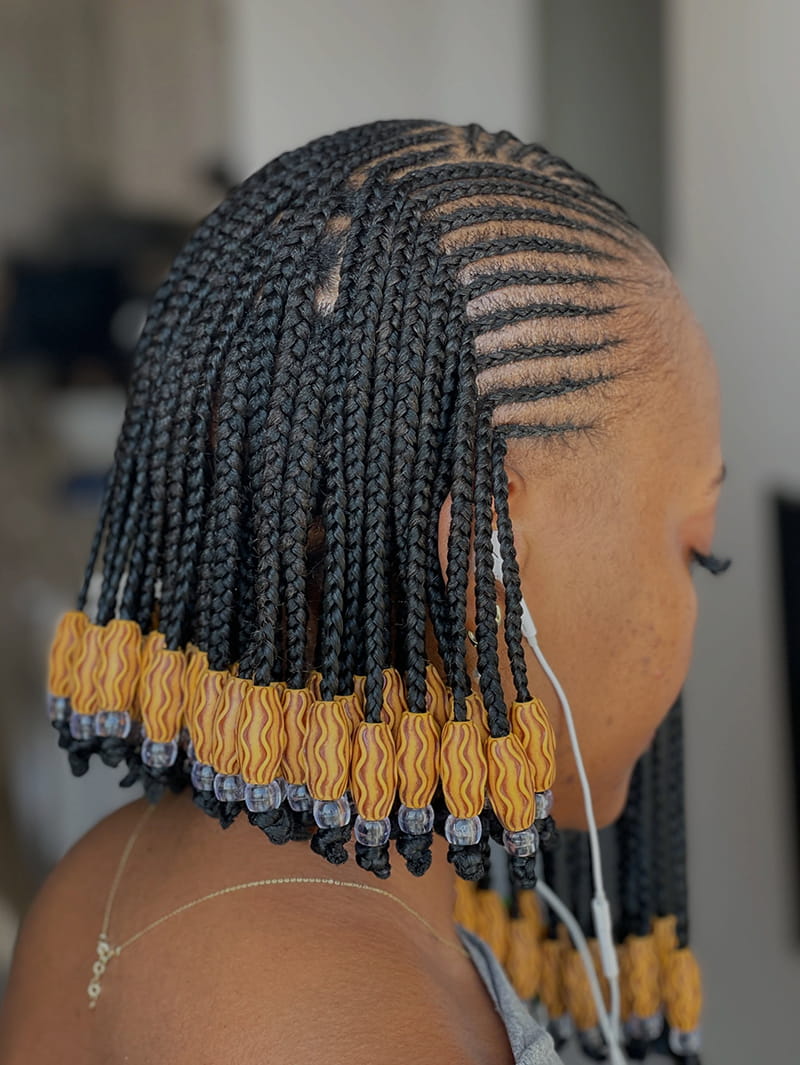
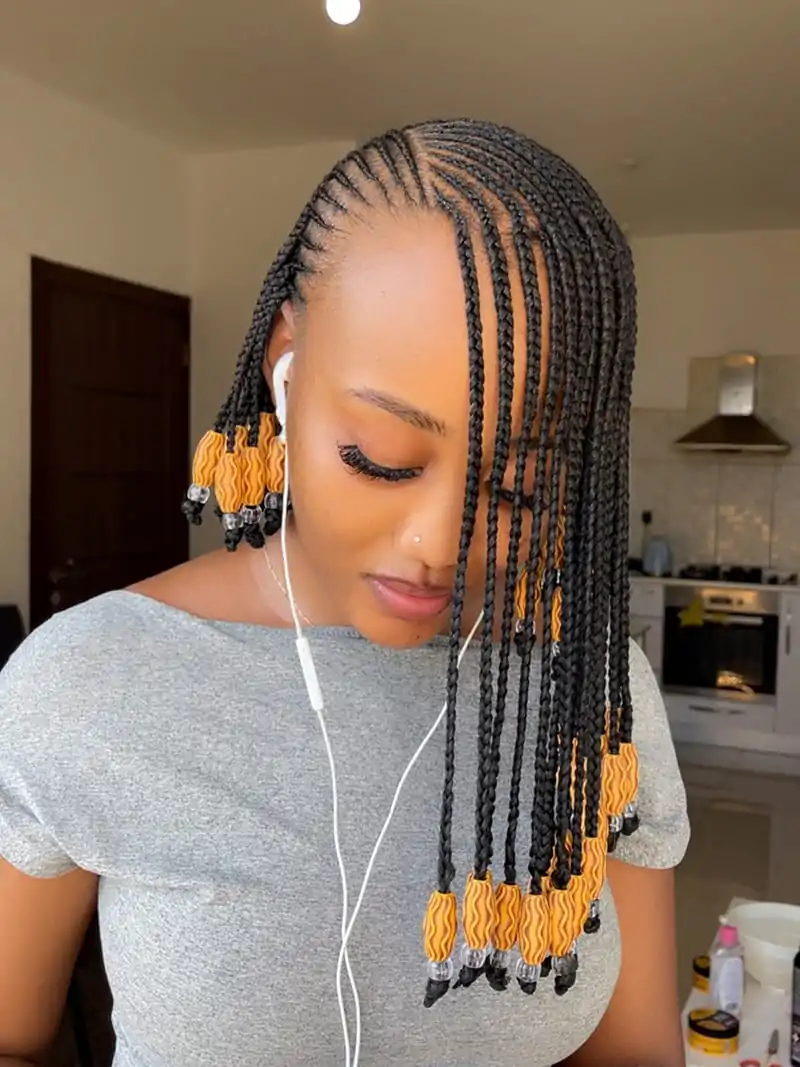
Your stylist parts your hair deeply on one side. She cornrows small sections around your face first. Then, she braids the rest to your chosen size and adds beads at the ends.
- Salon vs. home: A licensed braider gets the part clean and even.
- Cost: $110 to $230.
- Time: Two to five hours.
- Products: Edge control, braid sheen spray, and lightweight beads.
- Longevity: Four to six weeks.
- Pros: Versatile, face-framing, and beginner-friendly.
- Cons: Face-framing pieces may need daily edge touch-ups.
Side Stitch Braids with a Quick Weave Finish
Stitch braids get their name from their neat, raised look. Each row sits up slightly, almost like a stitched seam. Paired with a quick weave, you get sleek braids plus flowing hair swept to one side.
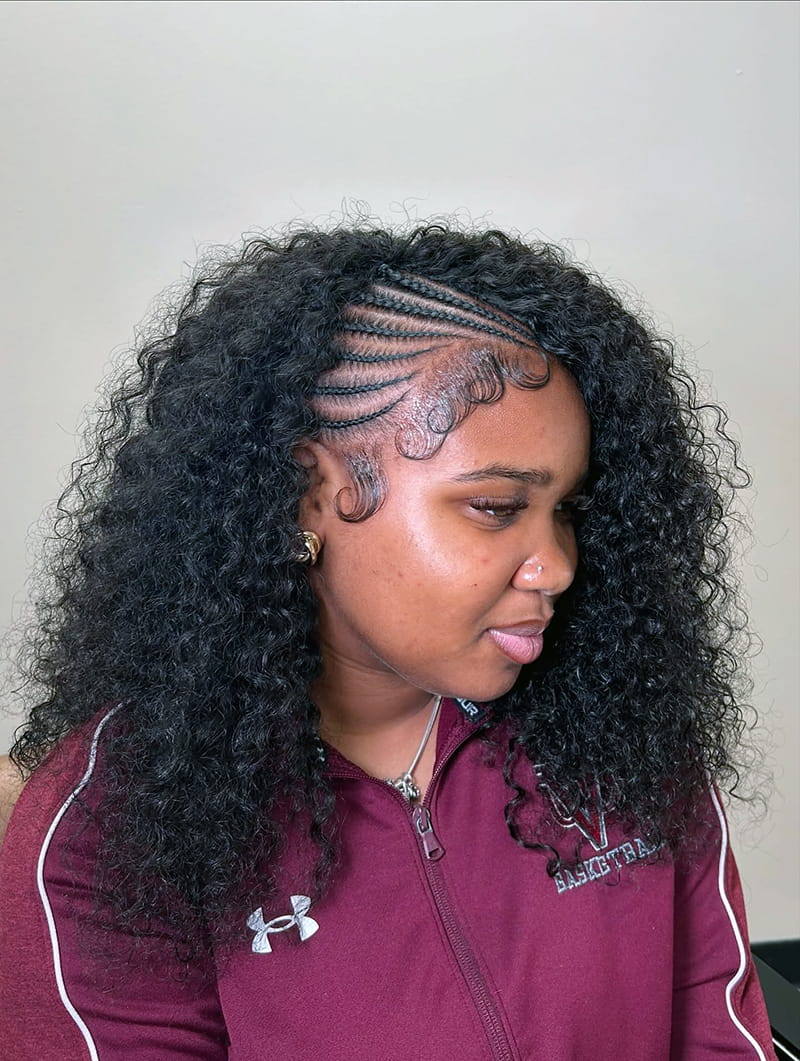
This combo works on every hair type, since a weave covers most of your natural hair underneath. It flatters every face shape, too, because you can customize the part and length. Round and oval faces especially love a deep side part here.
View this post on Instagram
Your stylist cornrows your hair into a stitch pattern first. Then, she glues or sews a weave cap over the braided base. Finally, she styles the weave hair to flow to one side.
- Salon vs. home: Best done in a salon for a secure, natural-looking finish.
- Cost: $150 to $320, including the hair.
- Time: Two to four hours.
- Products: Bonding glue or thread, edge control, and heat protectant.
- Longevity: Two to five weeks.
- Pros: Quick install, natural movement, and easy color changes.
- Cons: Glue-based methods need gentle removal to protect your edges.
Side-Part Micro Braids for Delicate Detail
Micro braids are tiny, thin braids that swing and move like natural hair. A deep side part gives this already-stunning style even more flair, with length, volume, and movement all at once.
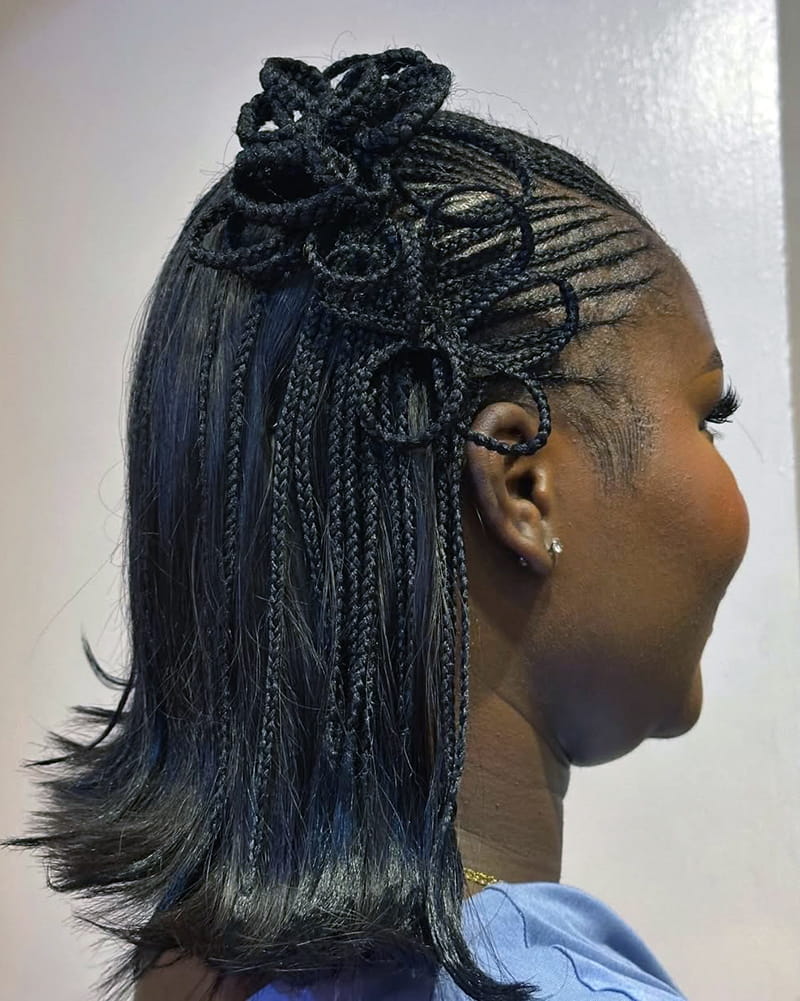
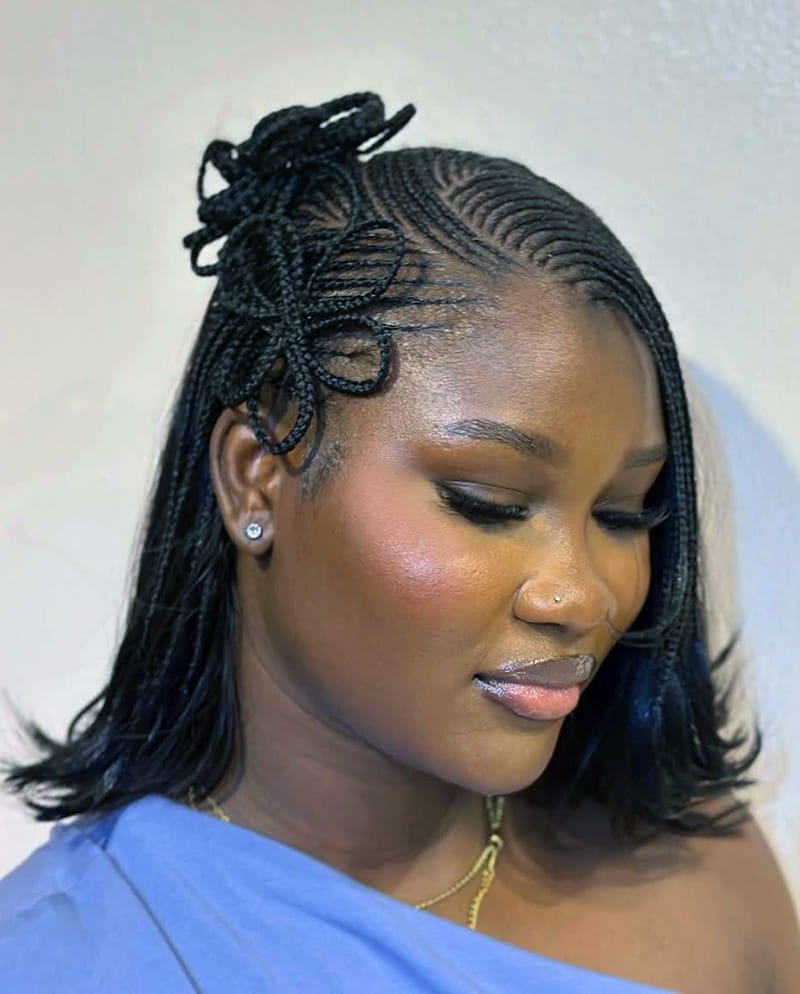
This style works best on medium to thick natural hair, since micro braids need enough hair to grip. It flatters heart and oval face shapes beautifully, and the side part softens a strong forehead.
View this post on Instagram
Your braider sections your hair into dozens of tiny parts. Then, she braids each one with a small bit of extension hair. The process takes patience, but the payoff lasts.
- Salon vs. home: Always choose a salon. This style needs an expert hand.
- Cost: $200 to $450, based on length and density.
- Time: Six to ten hours, sometimes split across two days.
- Products: Light oil sheen, edge control, and a satin scarf.
- Longevity: Six to ten weeks.
- Pros: Natural movement, a long lifespan, and low daily maintenance.
- Cons: A long install time and a higher cost upfront.
Braided Mohawk with a Side Braid Flair
A braided mohawk mixes edgy and elegant in one style. The sides get cornrowed flat and close to your scalp. The center section stays fuller, often braided or twisted and swept to one side.
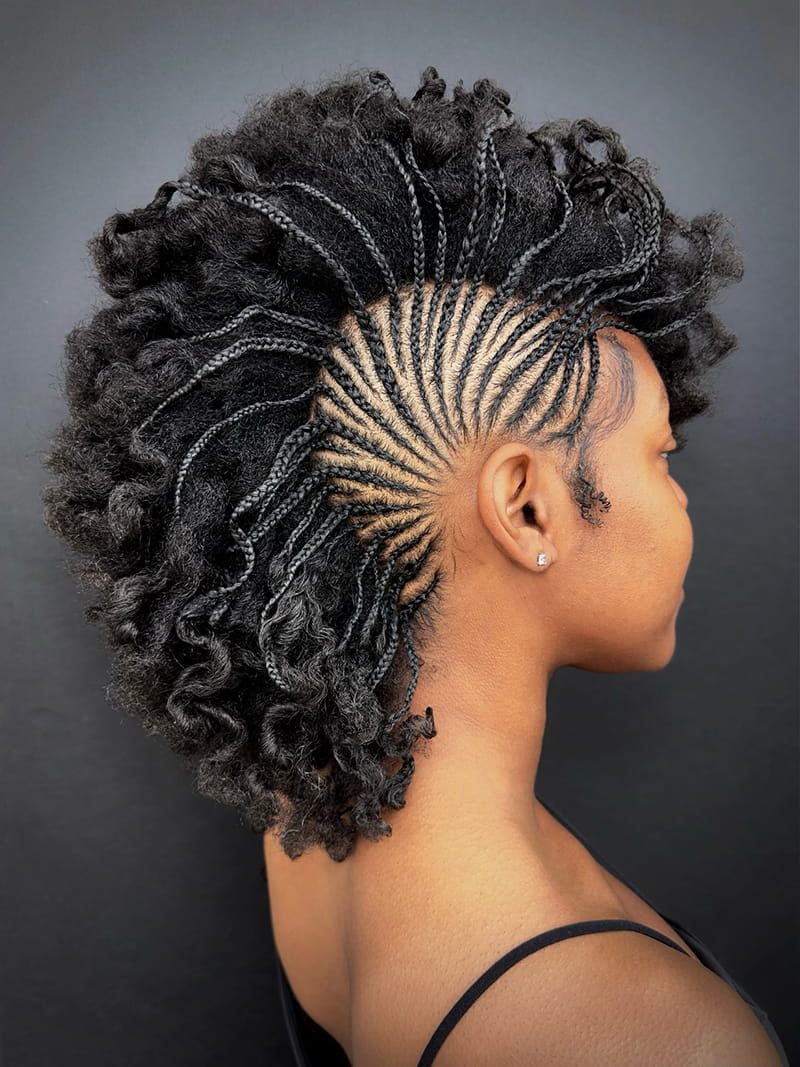
This style works on short to medium natural hair, or with braiding hair added for length. It flatters round and oval face shapes the most, since the flat sides create sharp, slimming lines.
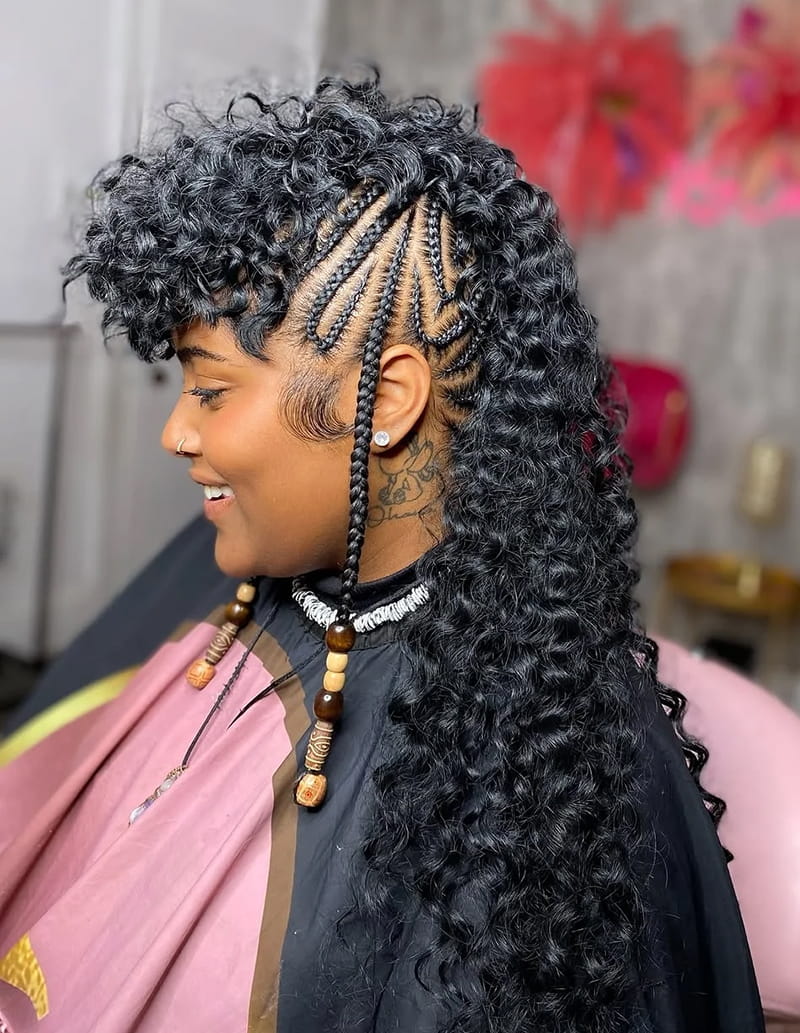
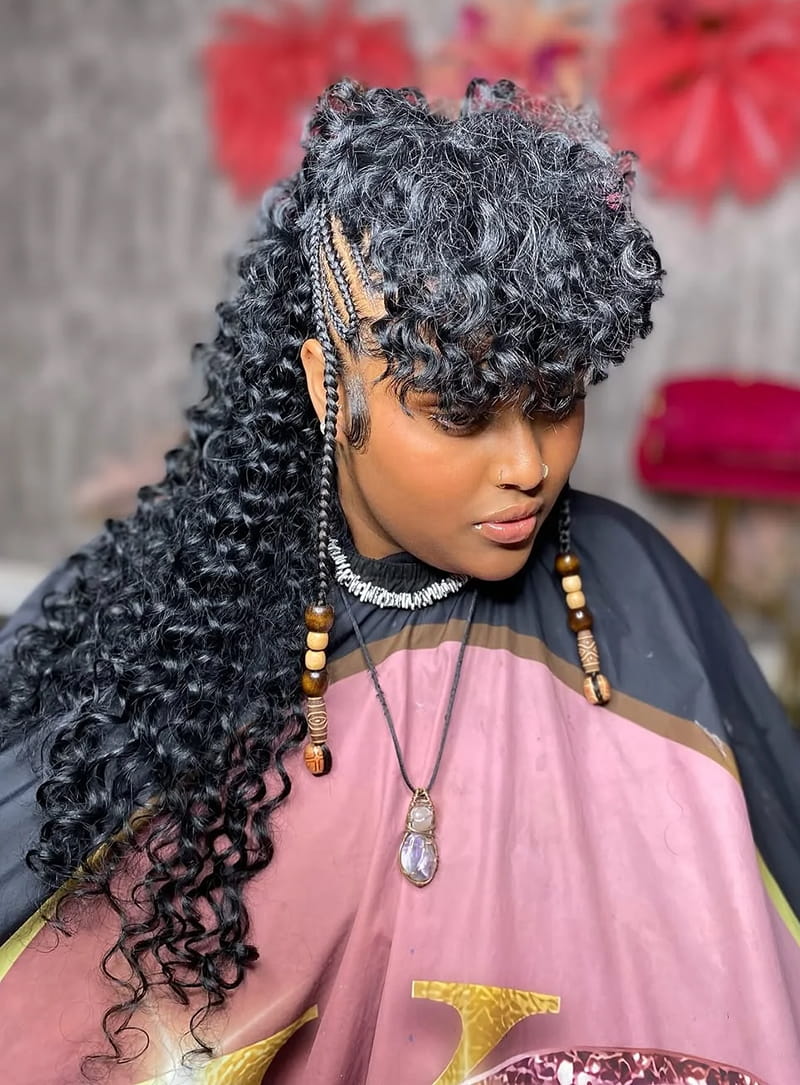
Your braider cornrows both sides flat toward the back. She leaves the center section thicker. Then, she braids or twists that center part and sweeps it over to one side.
- Salon vs. home: A professional keeps the sides sharp and even.
- Cost: $90 to $210.
- Time: One to three hours.
- Products: Strong-hold gel, an edge brush, and shine spray.
- Longevity: Three to five weeks, since the flat sides grow out fastest.
- Pros: Bold, low-maintenance, and easy to dress up or down.
- Cons: The shaved-looking sides need more frequent touch-ups.
Side Braids with Twists for Extra Texture
This style mixes two textures for extra visual interest. Half your head gets sleek braids. The other half gets soft, rope-like twists. Together, they sweep over to one side for a balanced finish.
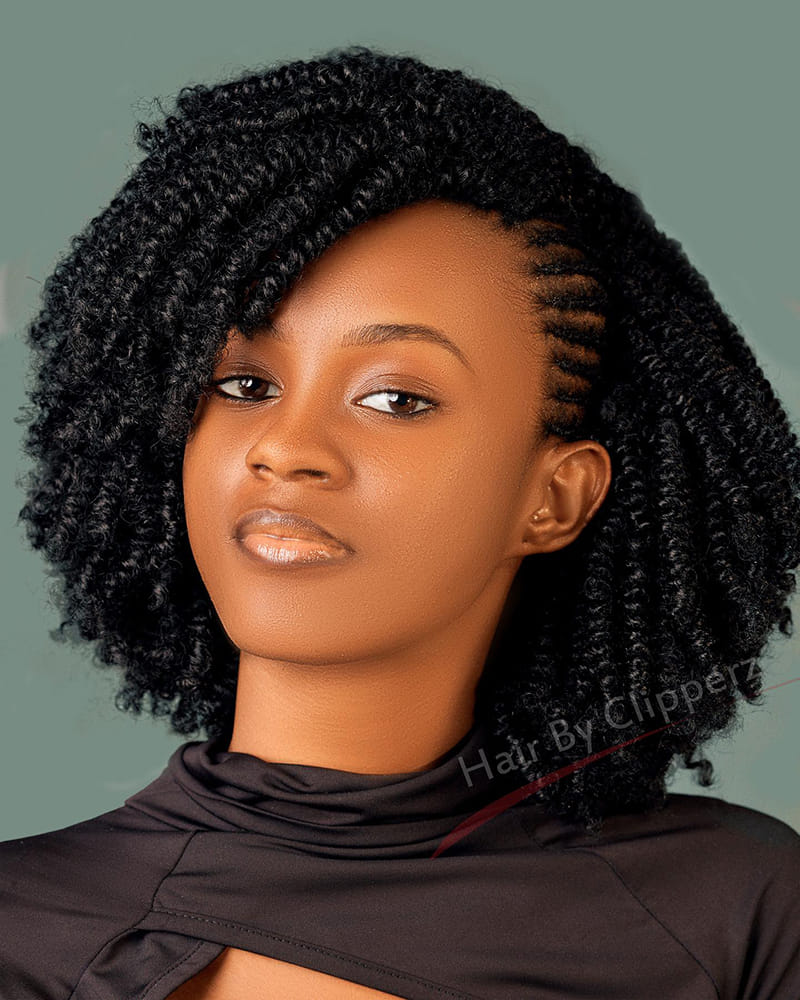
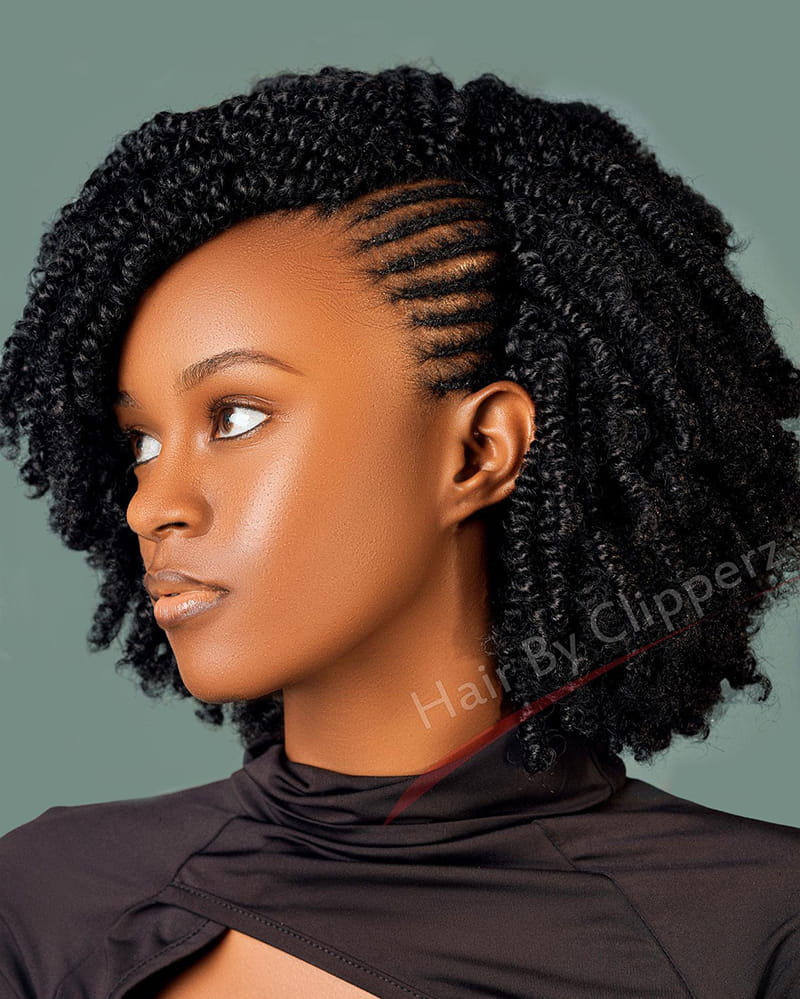
Curly and coily hair types work best here, from 3C to 4C. This style flatters square and round face shapes especially well, since the mixed texture softens harder lines.
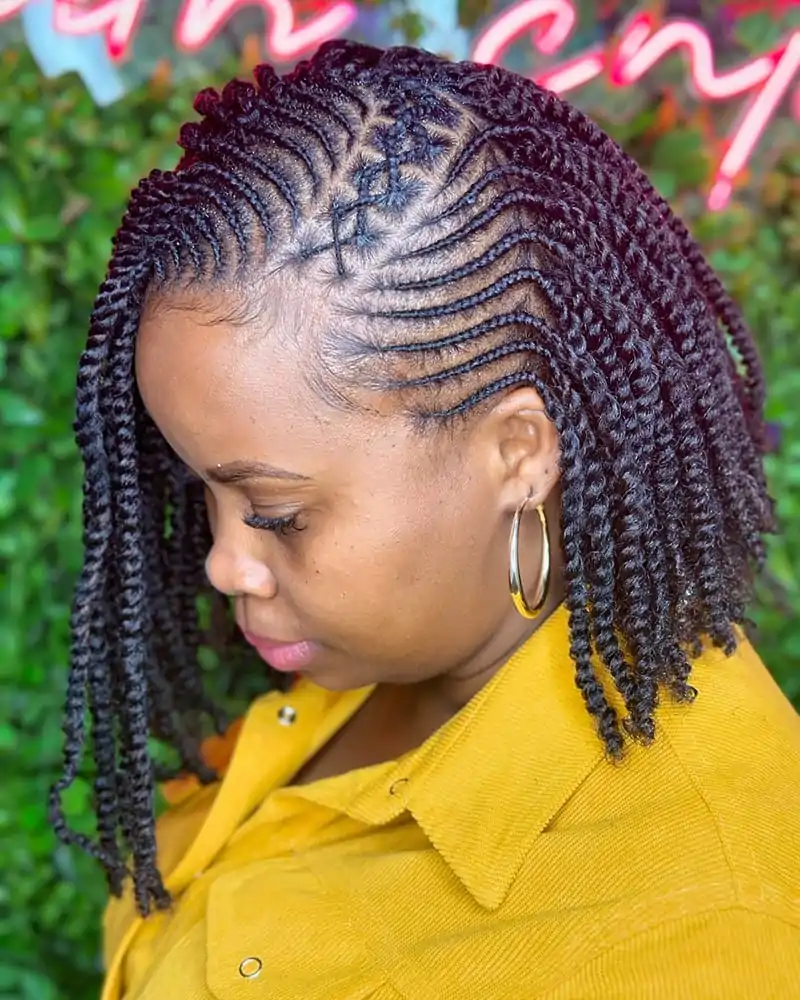
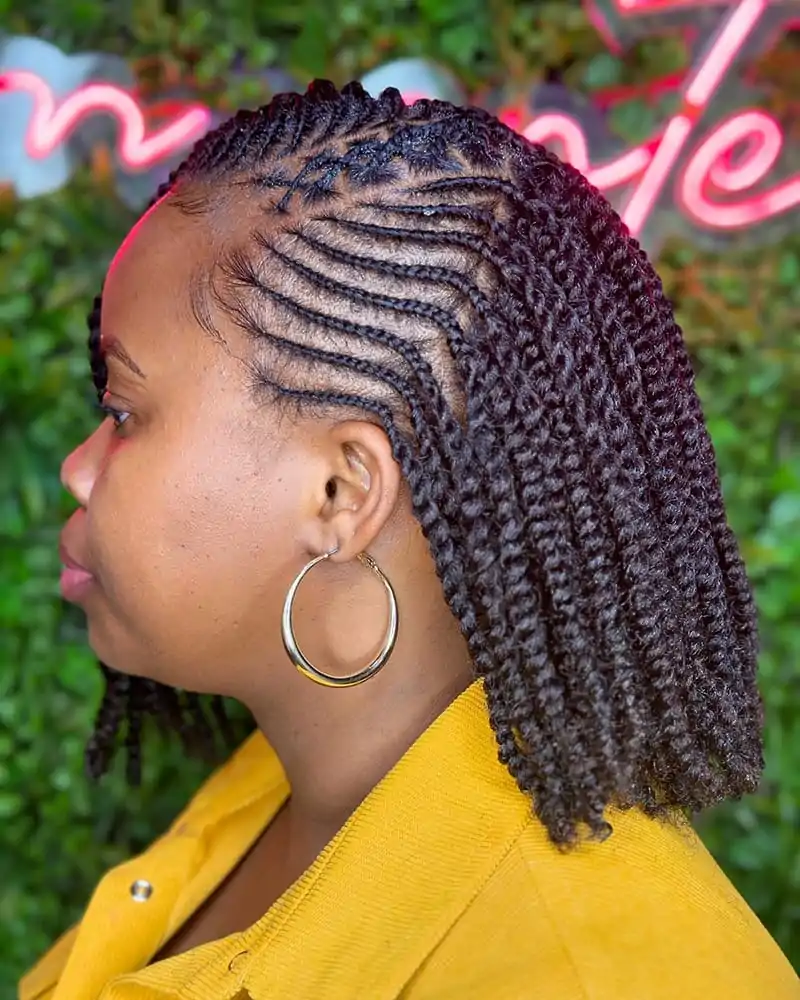
Your stylist sections your hair first. She braids one section and twists the other, using matching extension hair. Then, she styles both sections to fall on the same side.
- Salon vs. home: A salon visit helps both textures blend seamlessly.
- Cost: $120 to $240.
- Time: Three to five hours.
- Products: Twisting cream, braid gel, and a light oil for shine.
- Longevity: Four to six weeks.
- Pros: A unique mix of textures and great overall volume.
- Cons: Two techniques in one style result in a longer installation time.
Side Braided Bob for Short Hair Lovers
Who says braids need length? A side braided bob keeps things short, chic, and swept to one side. It’s perfect for warmer months or a lower-maintenance season.
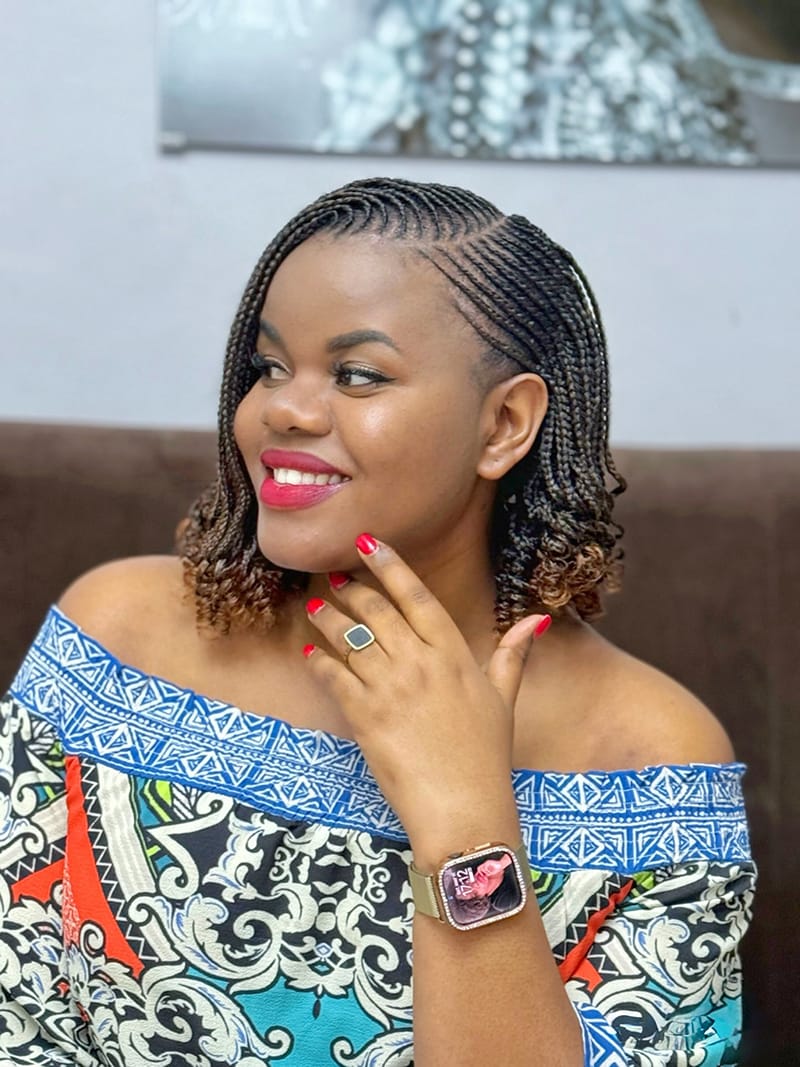
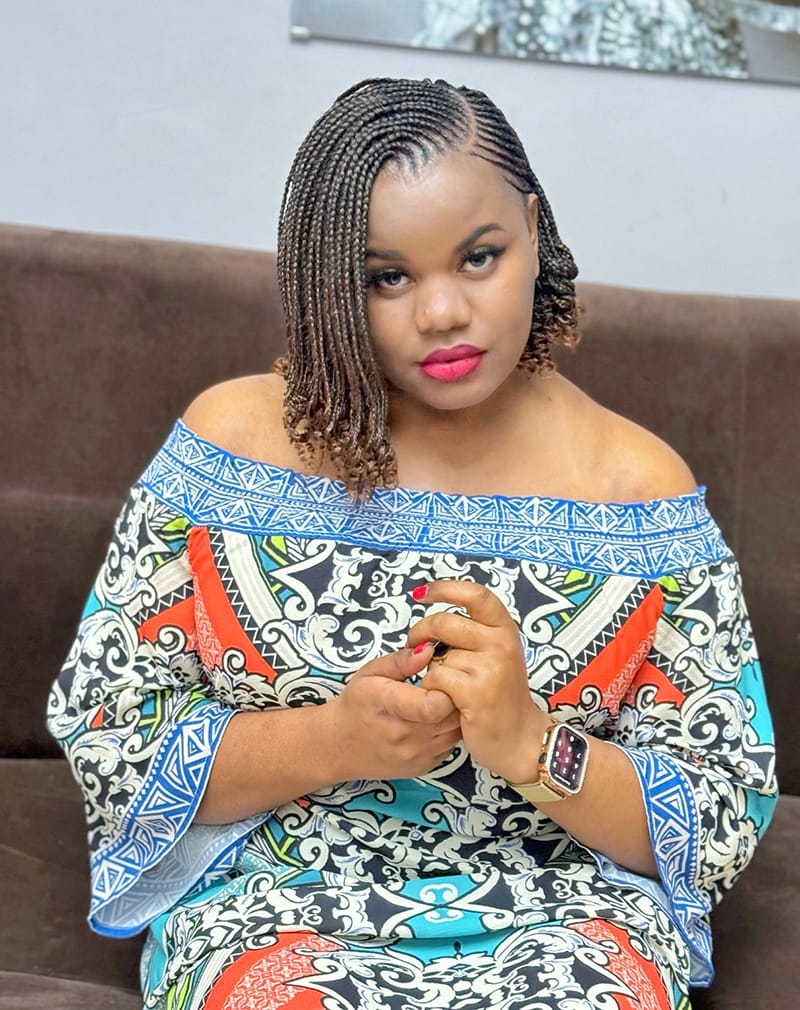
This style suits fine to medium natural hair and short natural cuts. It flatters oval, heart, and diamond face shapes the most, since short braids draw attention to your jawline and cheekbones.
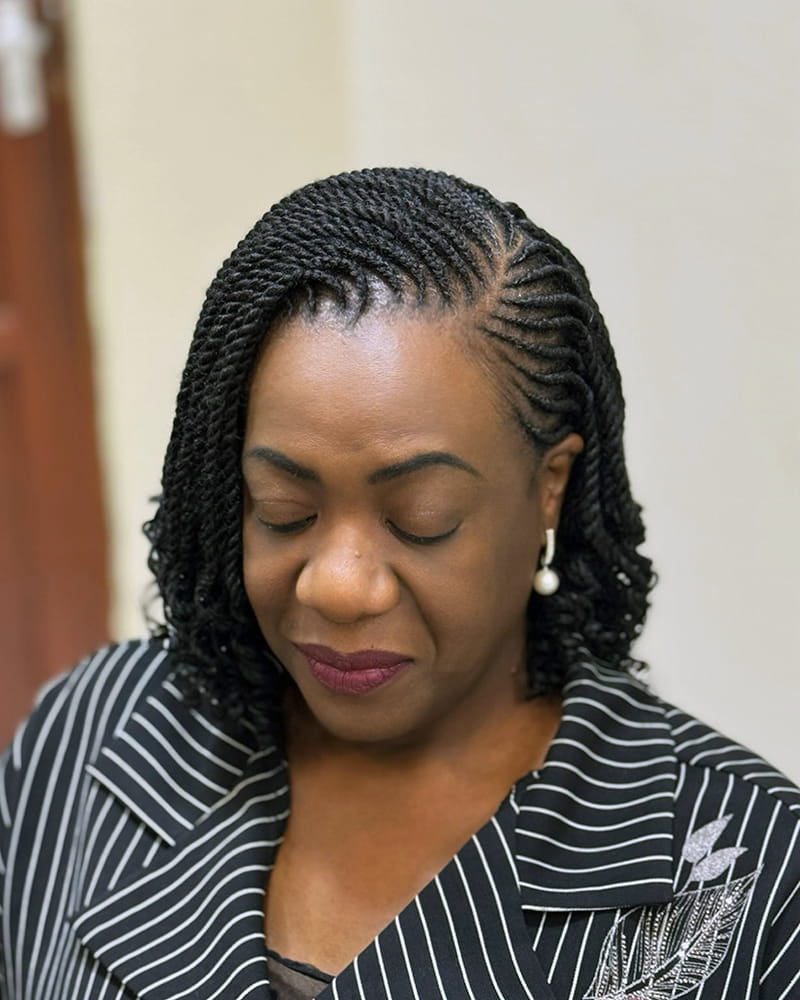
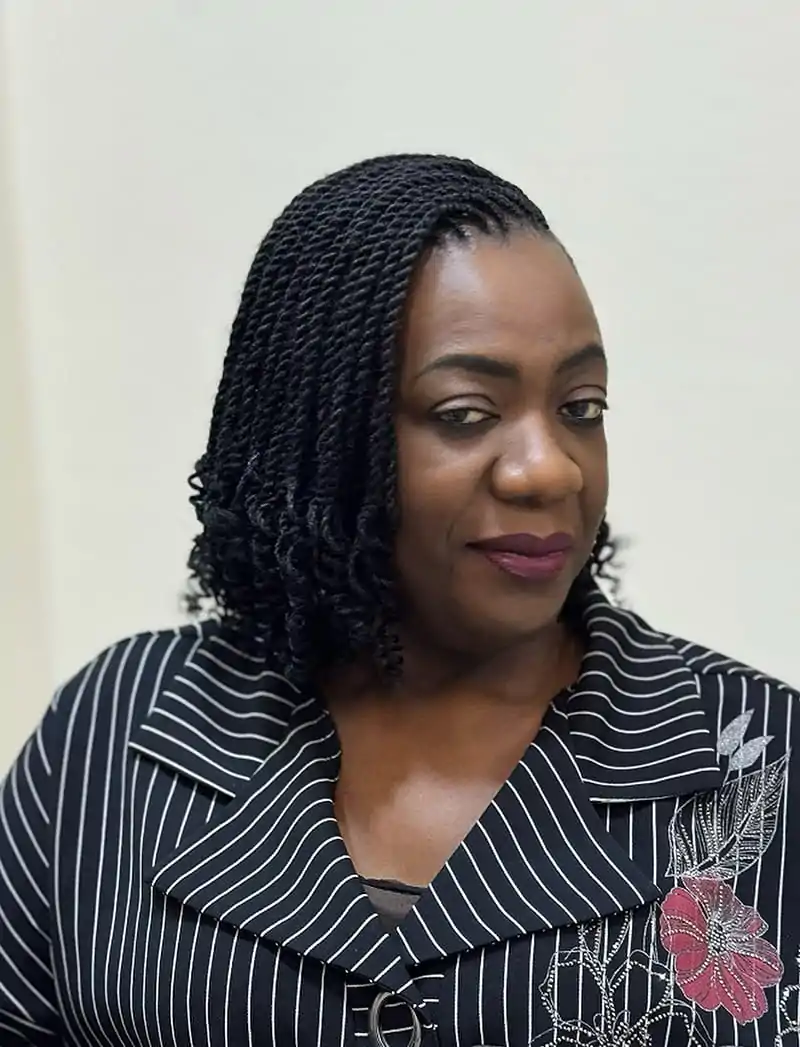
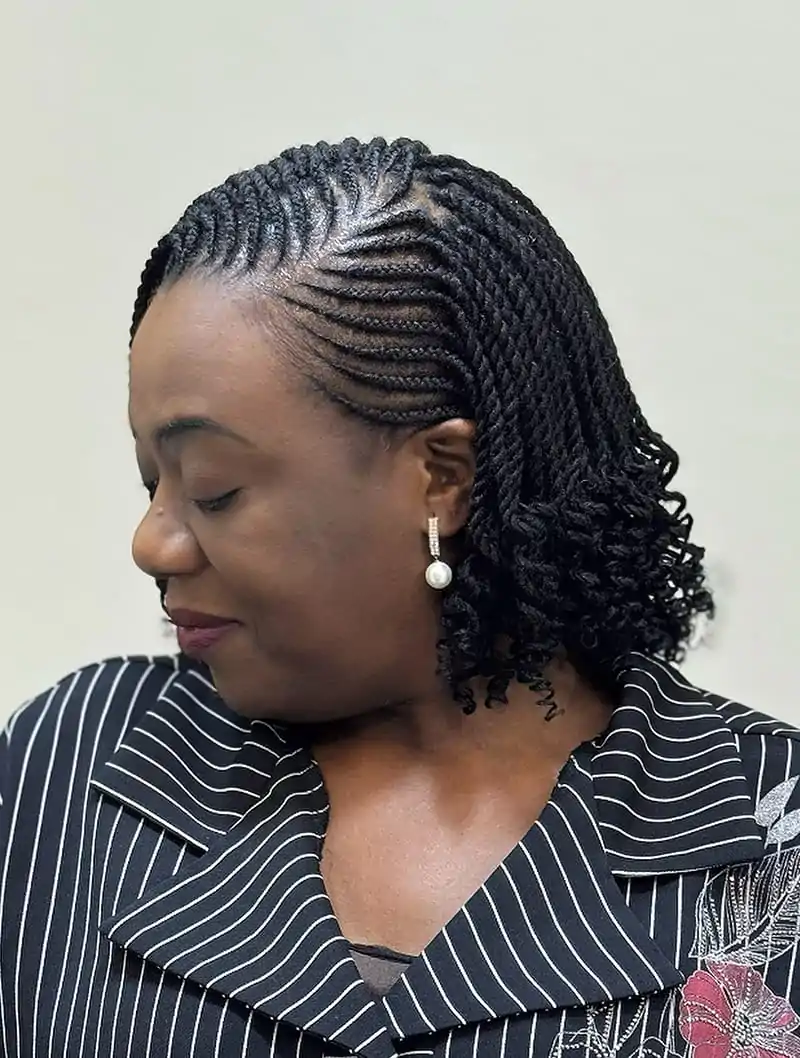
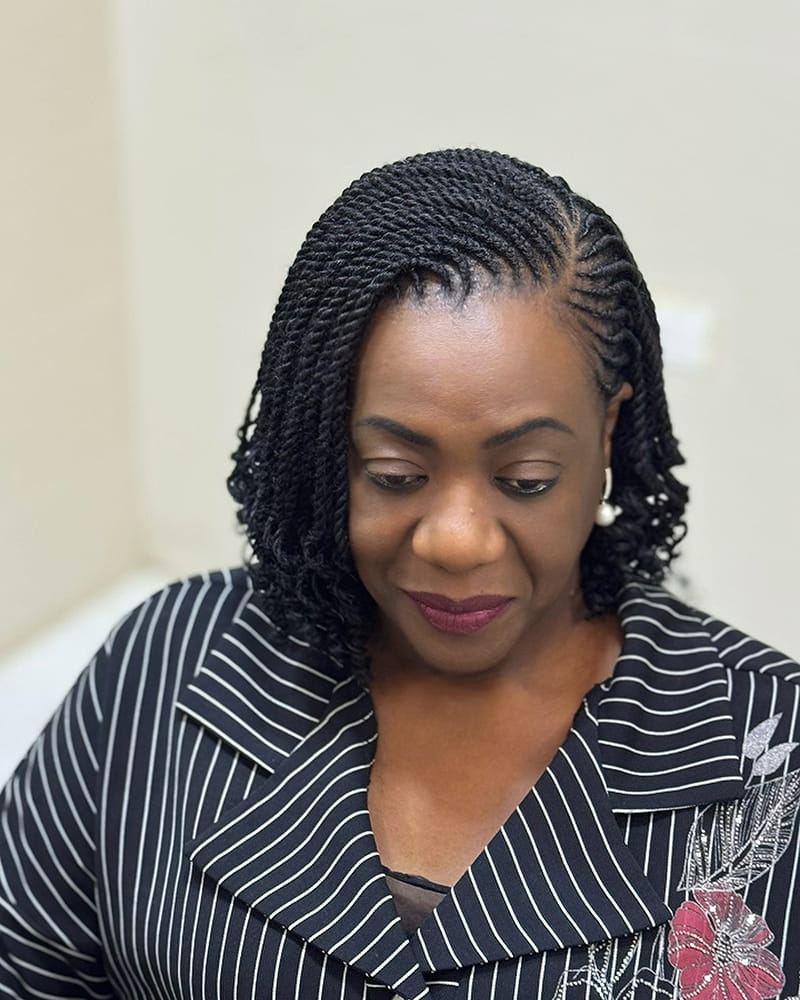
Your braider uses shorter pieces of braiding hair, cut to bob length. She braids close to your scalp and curls or tucks the ends under. Then, she sweeps everything to one side.
- Salon vs. home: A salon visit keeps the ends neat and blended.
- Cost: $80 to $160.
- Time: Two to three hours.
- Products: Light-hold gel, edge control, and curl cream for the ends.
- Longevity: Three to five weeks.
- Pros: Lightweight, breezy, and low on daily upkeep.
- Cons: The shorter length means less styling versatility.
Side Braids on Afro Hair for Natural Volume
This style keeps most of your hair in its natural afro state. Only a few accent braids frame one side of your face. It’s a gorgeous way to show off your natural texture and shrinkage-defying length.
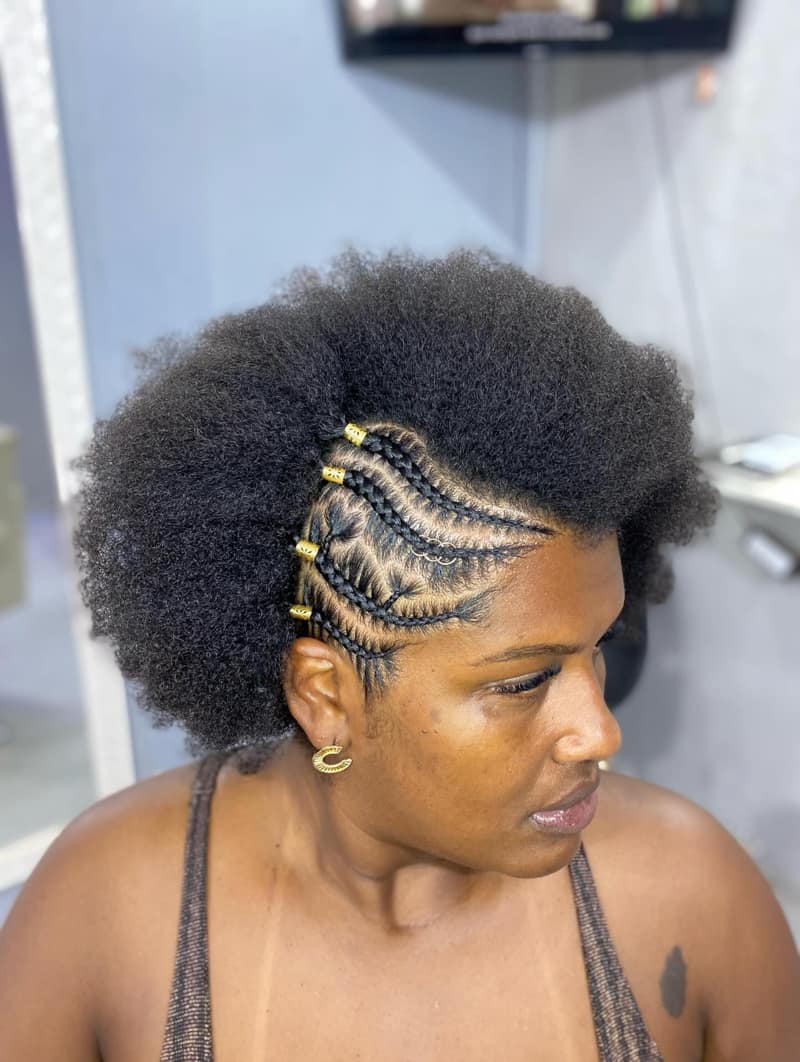
This look was made for 4A to 4C natural hair. It flatters every face shape, since the afro’s volume balances things out on its own. Add a deep side part for even more drama.
You, or your stylist, section off one side of your hair. Braid two to four thin cornrows or twists there. Then, pick out and shape the rest of your afro as usual.
- Salon vs. home: This one is easy enough to do at home.
- Cost: Free to $50 if you visit a stylist for the accent braids.
- Time: Thirty minutes to one hour.
- Products: Edge control, a curl definer, and a wide-tooth comb.
- Longevity: About one week, since new growth changes the shape.
- Pros: Quick, affordable, and it shows off your curl pattern.
- Cons: It needs frequent refreshing to keep the afro shaped nicely.
Side Braids Paired with Deep Waves
This style blends structure and flow in one look. Braids control one side of your head. Deep wave hair extensions cascade freely from the crown down on the other side. Together, they create a glamorous, red-carpet-ready finish.
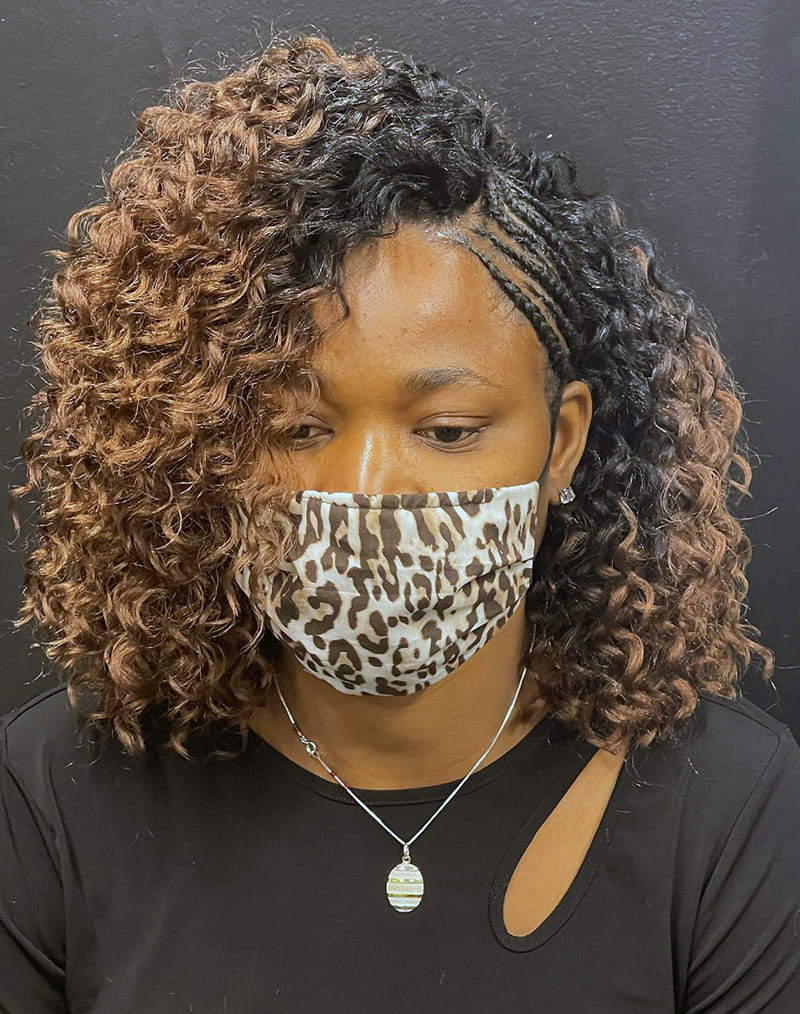
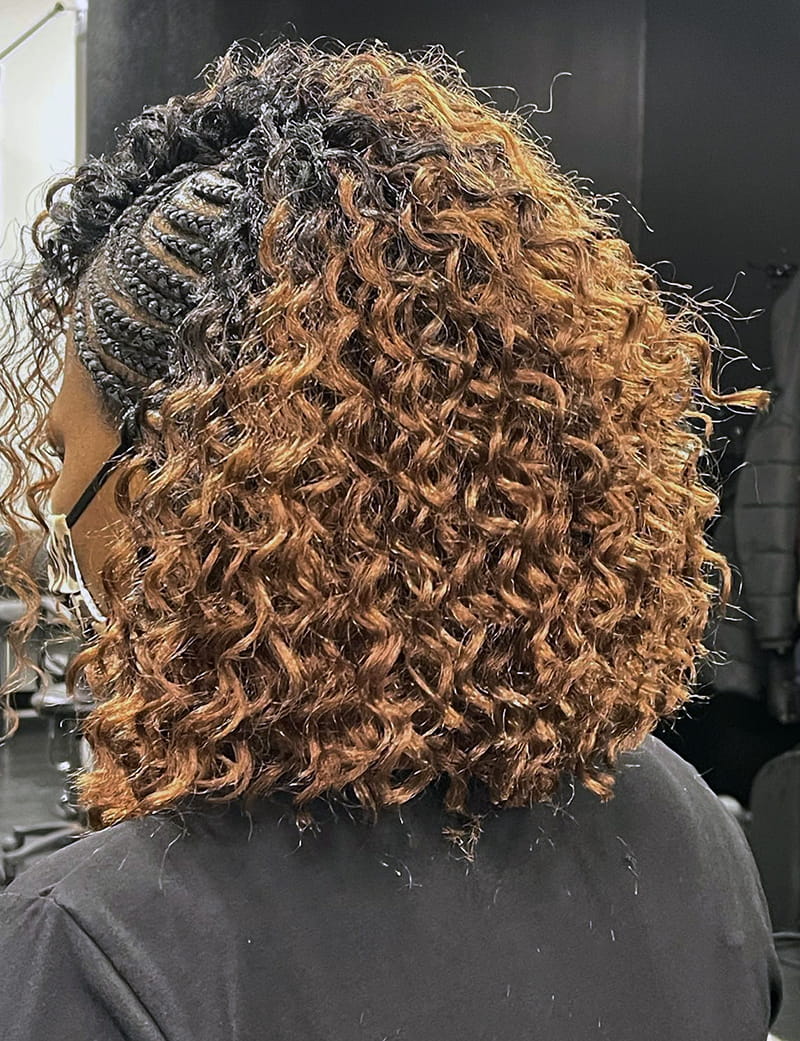
This combo works with any natural hair type underneath, since the extensions do the heavy lifting. It flatters oval and long face shapes the most, as the waves add softness around your jaw.
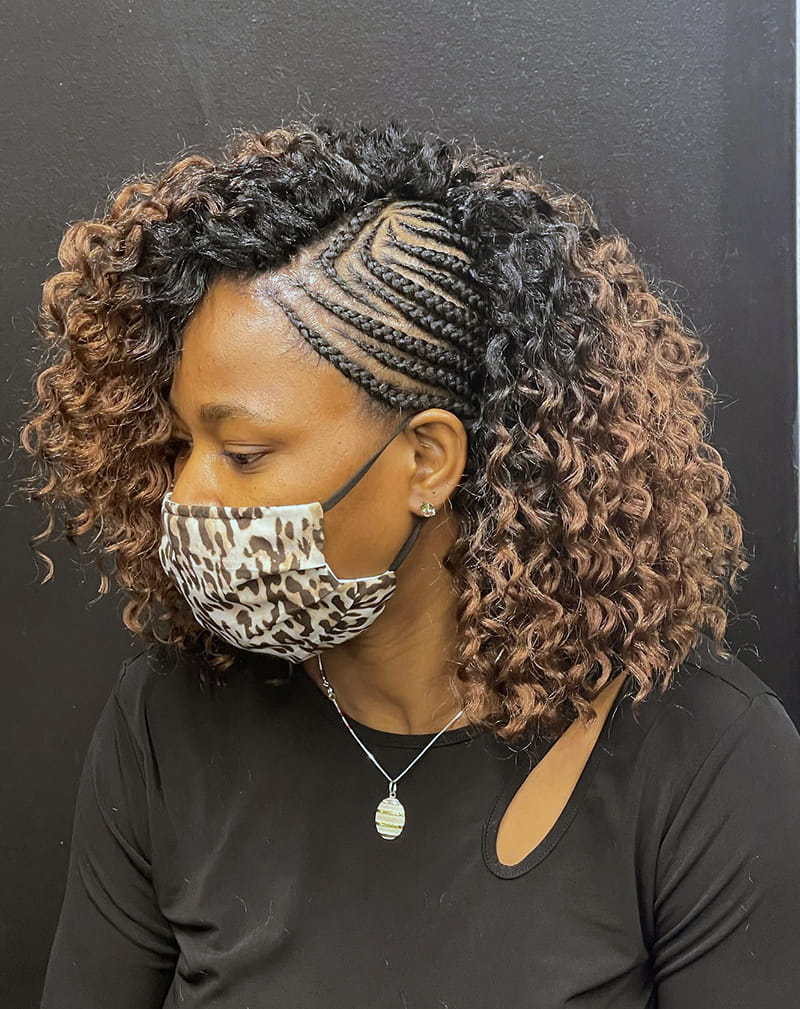
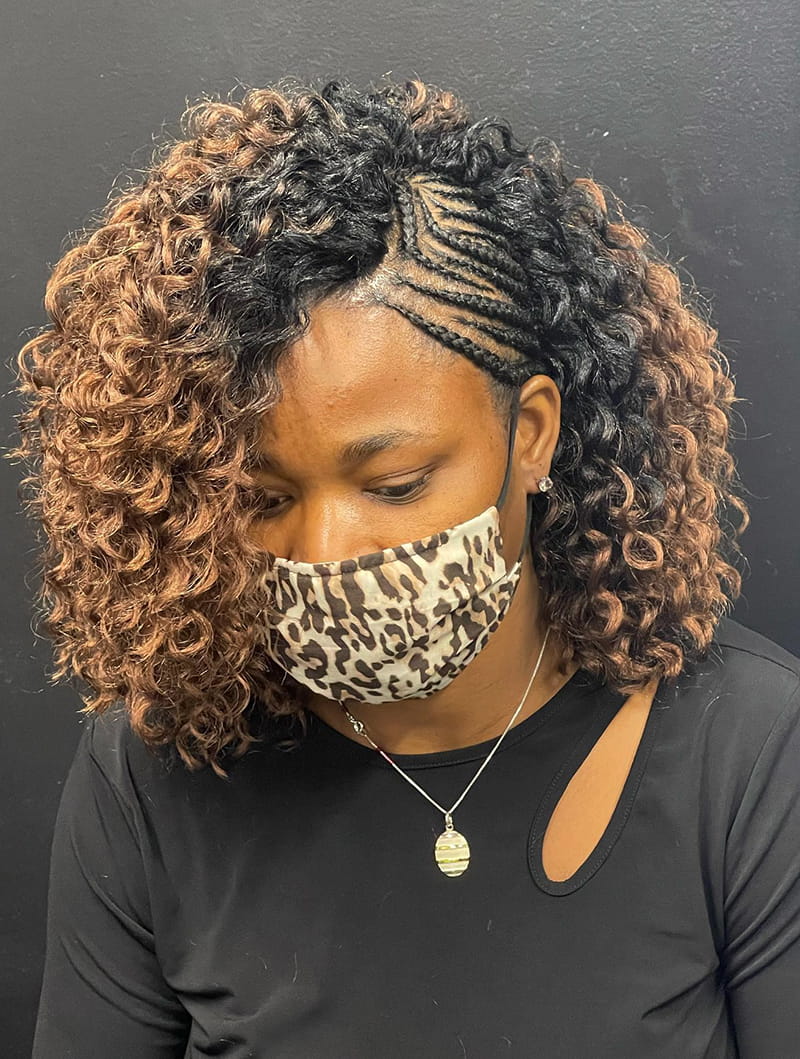
Your stylist cornrows the braided side close to your scalp. She sews in or clips in deep wave bundles on the other side. Then, she blends both textures at the crown.
- Salon vs. home: Best done at a salon for a seamless blend.
- Cost: $180 to $350, including the hair.
- Time: Three to five hours.
- Products: Curl-defining mousse, edge control, and a satin pillowcase.
- Longevity: Four to six weeks.
- Pros: Glamorous, versatile, and photo-ready.
- Cons: A higher cost due to the quality hair needed for smooth waves.
Side Braids with Curls for Extra Glam
Side braids with curls give you the best of both worlds. One side stays sleek and braided. The other bursts with bouncy curls. It’s a favorite for parties, weddings, and date nights.
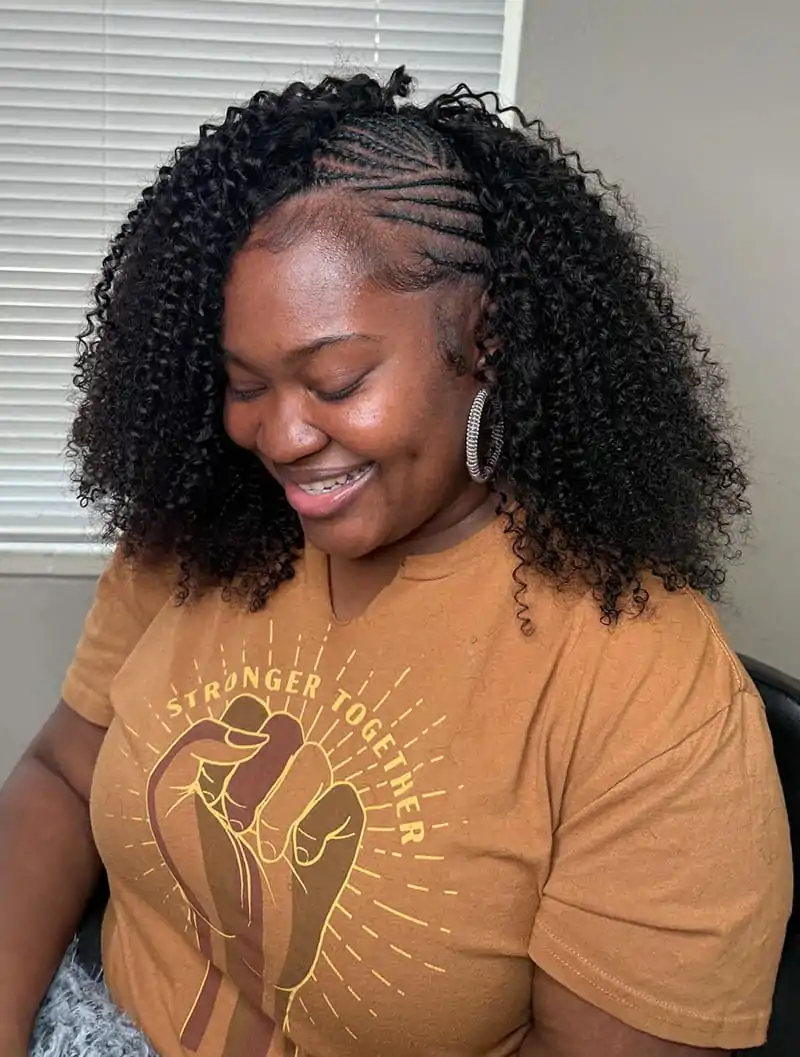
This style flatters every natural hair type underneath, since curly extensions create the finished look. Round and square face shapes love the height curls add on top. Oval faces look great with curls falling forward.
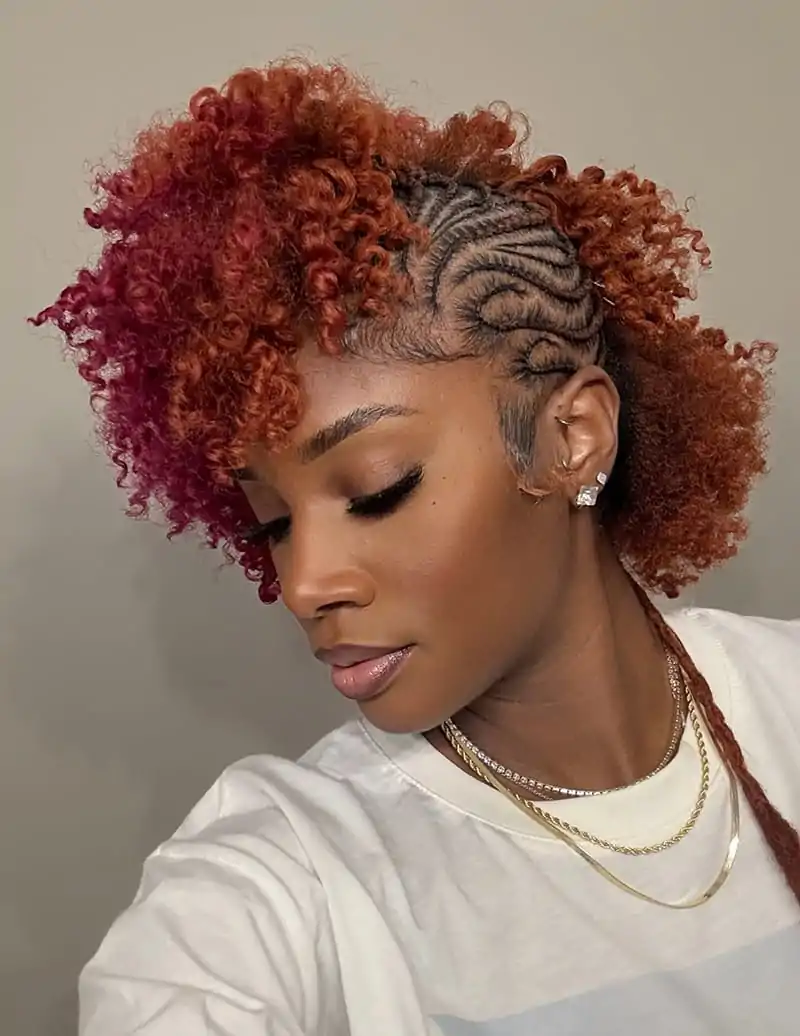
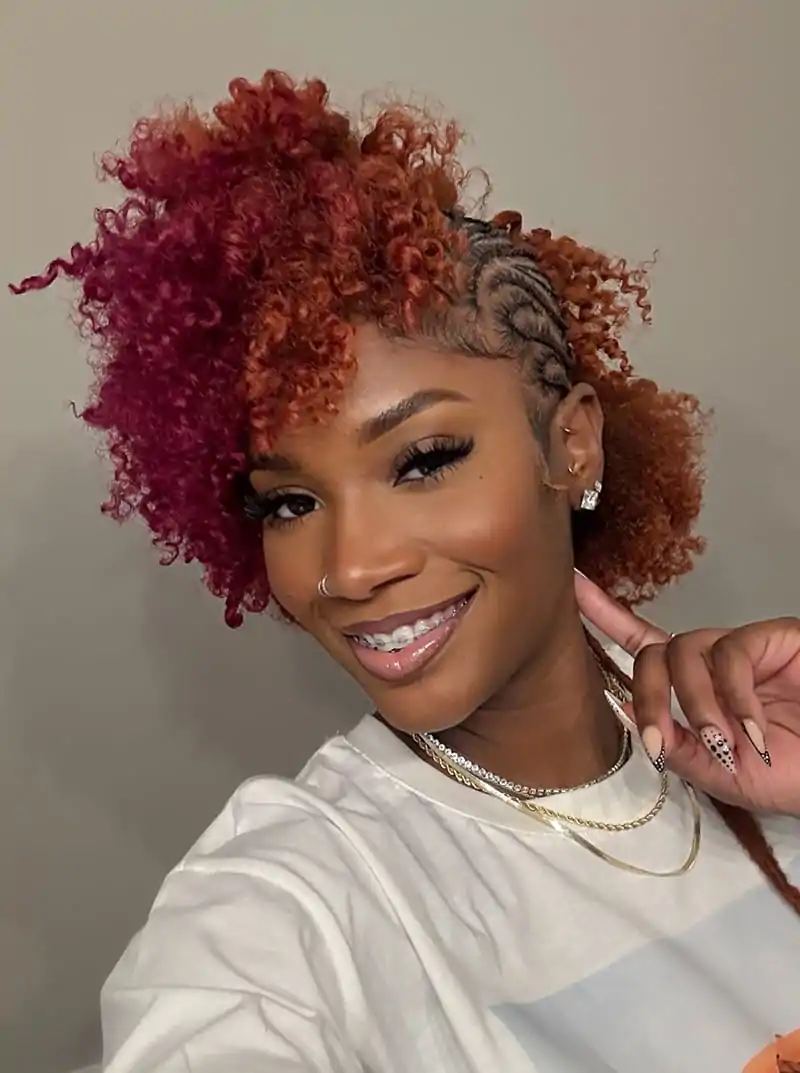
Your braider cornrows one section flat. She curls the braiding hair or extensions on the other side with a curling wand. Then, she styles the part to flow diagonally across your head.
- Salon vs. home: A salon appointment ensures smooth, long-lasting curls.
- Cost: $130 to $270.
- Time: Three to five hours.
- Products: Heat protectant, curl-enhancing mousse, and shine spray.
- Longevity: Three to five weeks.
- Pros: Dramatic, glamorous, and made for photos.
- Cons: The curls may need occasional re-curling as they relax.
Side Braid Ponytail for an Elevated Look
This style gathers your hair into one sleek ponytail. Then, a braid wraps around the base, or replaces the ponytail entirely. It sits high or low, always swept to one side.
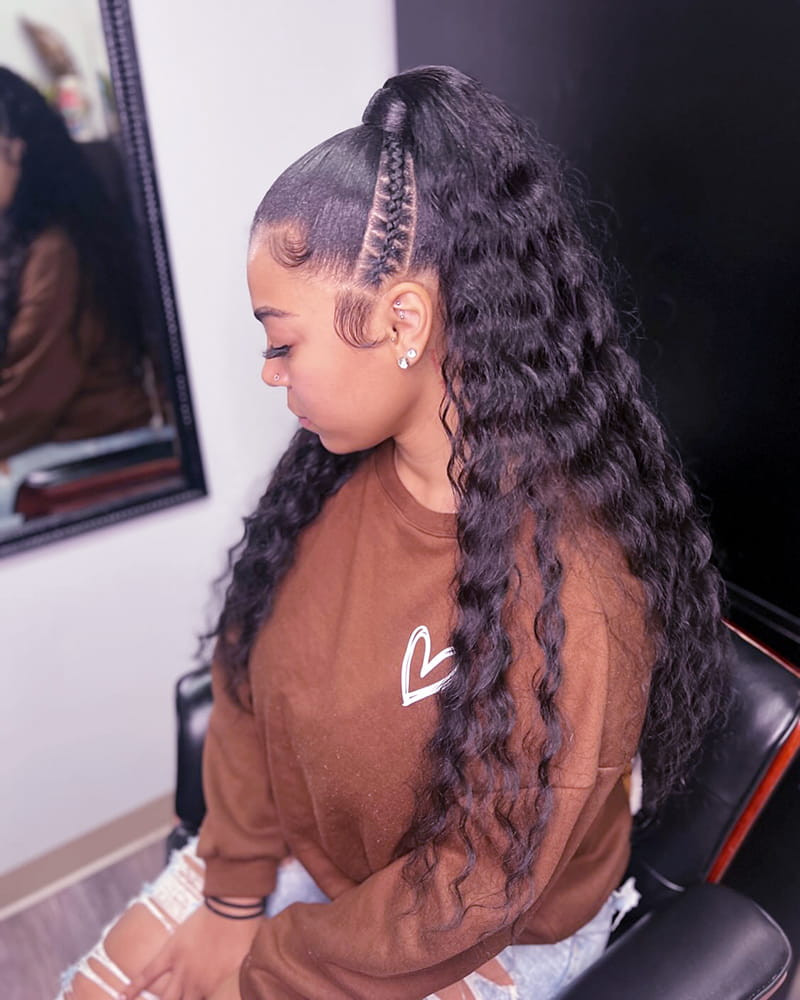
Straight, relaxed, and natural hair all work beautifully here. It flatters every face shape, since you control the height and tightness. A slicked-back finish also shows off your cheekbones and jawline.
View this post on Instagram
Gather your hair into a ponytail at your desired spot. Wrap a small braid around the base to hide the elastic. Or, braid the entire ponytail for extra texture and hold.
- Salon vs. home: Easy enough to do at home with a little practice.
- Cost: Free to $80, depending on any added extensions.
- Time: Fifteen minutes to one hour.
- Products: Edge control, styling gel, and a shine serum.
- Longevity: A few days, or several weeks with braided-in extensions.
- Pros: Fast, sleek, and endlessly adjustable.
- Cons: Tight ponytails can strain your edges over time.
Side Braids with Braid-Out Curls
A braid-out is what happens after you take braids down. Your hair keeps the crimped, wavy pattern from the braid. Here, one side stays freshly braided while the other shows off that soft, braid-out texture.
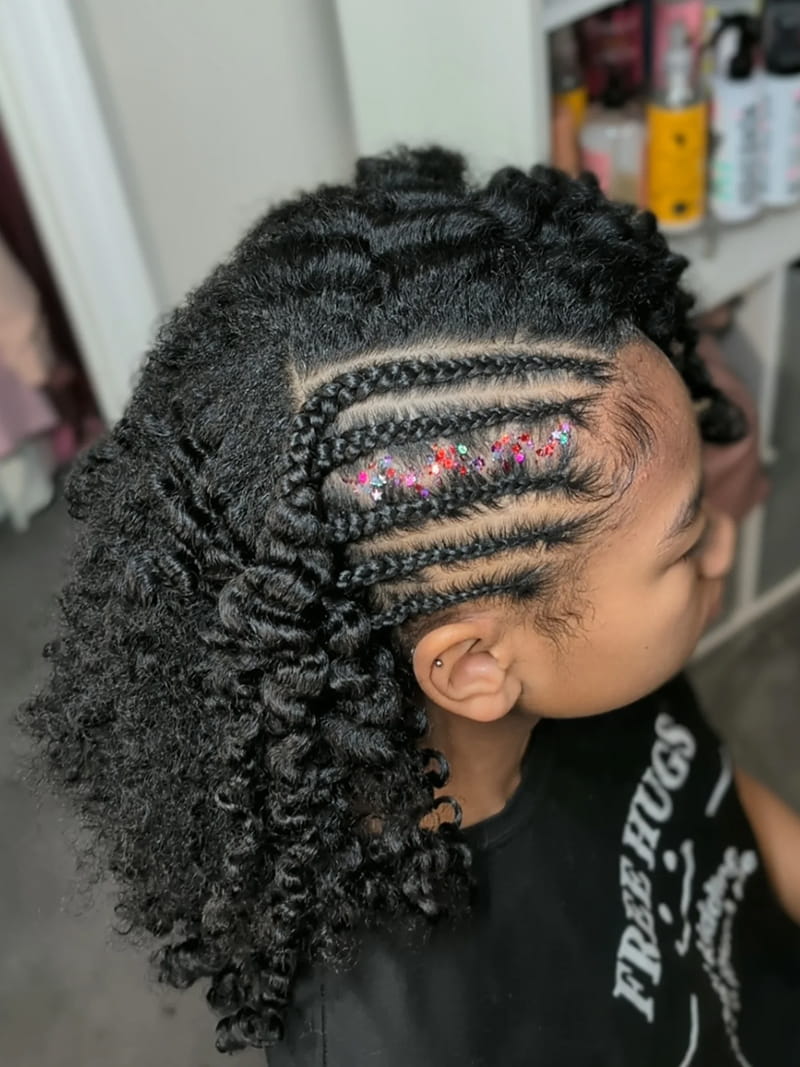
This style is a natural hair favorite. It works best on 3C to 4C curl patterns and flatters heart and oval face shapes especially well, since the volume balances a narrower chin.
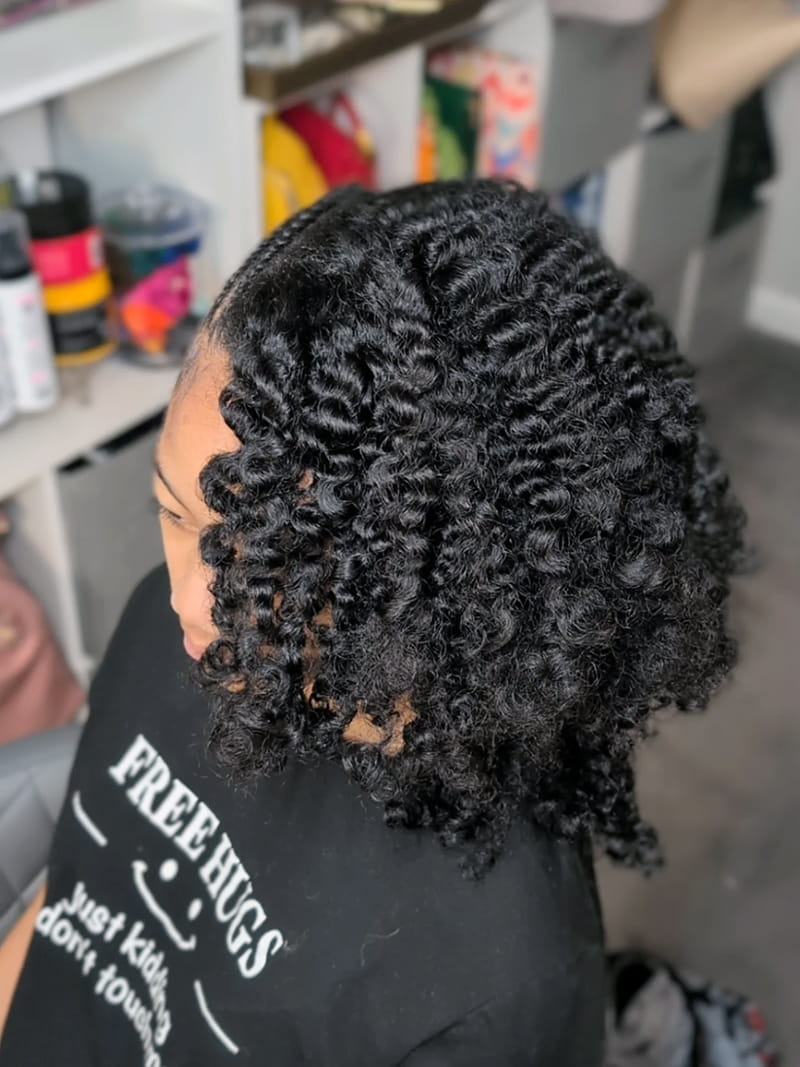
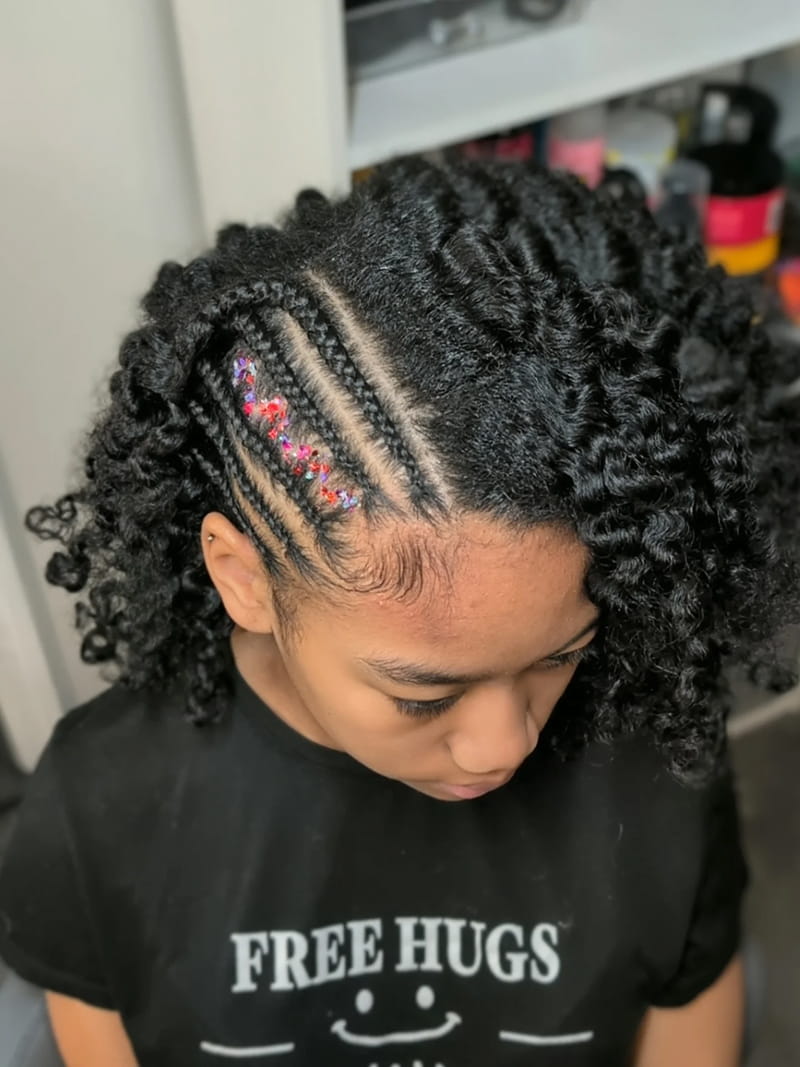
Braid one section fresh. On the other side, take down old braids and finger-comb the wave pattern loose. Then, shape both sides toward one direction.
- Salon vs. home: Great as an at-home style, using braids you already have.
- Cost: Free, if you already have braids to take down.
- Time: Twenty to forty minutes.
- Products: Curl cream, edge control, and a light oil sheen.
- Longevity: Three to five days.
- Pros: Budget-friendly and it shows off your natural texture beautifully.
- Cons: A shorter lifespan compared to fresh braids.
Side Braids and Bun for an Elegant Updo Hairstyles
This style takes your side braids and gathers them into a bun. It works for the office, a wedding, or any day you want a polished look. Simple, but always elegant.
View this post on Instagram
Any braided style underneath works here, from box braids to Fulani braids. It flatters every face shape, since a bun’s height and placement are fully customizable. A low side bun softens strong features nicely.
View this post on Instagram
Start with any side braid style already installed. Gather the braids near your desired spot. Wrap them into a bun, then secure with pins or a hair tie.
- Salon vs. home: Easy to do at home once the braids are already in.
- Cost: Free, on top of your original braid install cost.
- Time: Ten to twenty minutes.
- Products: Edge control, bobby pins, and a light-hold gel.
- Longevity: Matches your braids’ full lifespan, four to six weeks.
- Pros: Polished, versatile, and gentle on your braid ends.
- Cons: Frequent bun styling in the same spot can cause thinning over time.
How to Care for Your Side Braid Hairstyles?
Taking care of your side braids keeps them looking fresh for longer. Follow these tips to protect your hair, your edges, and your new style.
First, wrap your hair every night. Use a satin or silk scarf, or a bonnet. This stops friction and keeps your braids neat while you sleep. Cotton pillowcases pull moisture from your hair, so skip those if you can.
Second, keep your scalp clean. You can absolutely still wash braided hair. Mix a gentle, diluted shampoo with water in a spray bottle. Focus on your scalp, then rinse well. Follow up with a diluted apple cider vinegar rinse if your scalp feels itchy or flaky.
Third, moisturize daily. Spray your scalp and braids with a light, water-based moisturizer. Then, seal it in with a few drops of oil. Dry braids break more easily, so don’t skip this step.
Fourth, avoid pulling your braids into tight styles too often. Constant tension on the same spot can weaken your edges over time. The American Academy of Dermatology recommends loosening braids around your hairline and switching up your part now and then to give your scalp a break.
Finally, know when to take your braids down. Watch for heavy shedding at the roots, matting, or a strong odor. Most styles last four to six weeks. Micro braids can last longer. Quick weaves, on the other hand, should come down sooner, within two to five weeks.
Following these steps helps your natural hair grow healthier underneath every single style you try.
Must-Have Products and Tools for Side Braids
Having the right tools on hand makes styling side braids so much easier. Here’s what every braid lover should keep in her kit.
Styling tools:
- Rat-tail comb, for clean, precise parts.
- Duckbill clips, to section hair while you work.
- Spray bottle, for water or a diluted leave-in conditioner.
- Edge brush, for smoothing baby hairs into place.
Hair Care Products:
- Lightweight leave-in conditioner.
- Braid spray or mousse, for shine and hold.
- Edge control gel, for a laid finish.
- Scalp oil, like jojoba, coconut, or castor oil.
- A gentle, sulfate-free shampoo for wash days.
Braiding Hair:
- Kanekalon braiding hair, budget-friendly and widely available.
- Toyokalon braiding hair, softer with a more natural look.
- Pre-stretched braiding hair, which saves time during install.
- Human hair blends, for the most natural movement and shine.
Sleep and protection:
- A satin or silk scarf or bonnet.
- A satin pillowcase, as a handy backup option.
Stock up on these before your next appointment. Your future self will thank you.
Color, Heat, and Chemical Considerations for Side Braid Hairstyles
Thinking about adding color or heat to your side braids? Keep these tips in mind first.
Safe color approaches:
- Always do a strand test 24 to 48 hours before coloring your natural hair.
- Choose semi-permanent or demi-permanent dye over permanent color when you can.
- Color your braiding hair instead of your natural strands for a lower-risk option.
- Check your hair’s porosity before choosing a color product or developer.
Porosity simply means how well your hair absorbs and holds moisture. Low porosity hair has a tightly packed cuticle. It needs lightweight, water-based products, plus a little heat to help products soak in. High porosity hair has a more open cuticle. It soaks up product fast, but loses moisture just as fast. Reach for heavier creams and butters to help seal it in.
Heat styling guidelines:
- Always use a heat protectant before flat ironing or blow-drying your natural hair ahead of a braid install.
- Keep your flat iron under 350 degrees Fahrenheit.
- Try heatless methods, like banding or a roller set, between braid installs.
- Give your hair regular breaks from chemical relaxers by choosing braids more often.
Frequent heat and chemical use can weaken your hair over time. Side braids give your strands a real break from both. Use that time to focus on strengthening treatments instead, like protein masks and deep conditioning.
FAQs
Side braid hairstyles are braids arranged or swept toward one side of the head. They can include lemonade braids, Fulani braids, cornrows, box braids, twists, or braided updos.
Most side braid hairstyles last about four to six weeks with proper care. Micro braids can last longer, while quick weaves and some shorter styles may need removal after two to five weeks.
Yes. Side braid hairstyles can be a protective option for natural hair because they reduce daily manipulation and keep the ends tucked away. Just avoid installing braids too tightly.
Side braids work well on most hair types, including 3B to 4C curls, relaxed hair, and shorter natural hair. Braiding hair or extensions can also add length and fullness when needed.
They can, but only when installed and maintained gently. Avoid excessive tension around your hairline, rotate your part, and loosen or remove braids if you notice soreness, bumps, or thinning.
Wrap your braids in a satin or silk scarf or wear a satin bonnet before bed. This helps reduce friction, preserve the style, and keep your braids looking neat.
Yes. Use a gentle, diluted shampoo and focus on cleaning your scalp without aggressively rubbing the braids. Rinse thoroughly and let your hair dry completely afterward.
The cost varies by style, length, hair type, and stylist. Simple styles may cost under $100, while intricate or long styles can range from $200 to $450 or more.
Styles with a deep side part, added height, or long sweeping braids can be especially flattering on round faces. Lemonade braids, braided mohawks, and side-swept Fulani braids are great options.
Yes. Simple styles, such as a side braid ponytail, accent braids on afro hair, or a side bun, are beginner-friendly. More intricate styles like micro braids and tribal braids are usually easier and cleaner with a professional braider. What are side braid hairstyles?
How long do side braid hairstyles last?
Are side braid hairstyles good for natural hair?
Which hair types work best with side braids?
Do side braids protect your edges?
How should I sleep with side braids?
Can I wash my hair while wearing side braids?
How much do side braid hairstyles cost?
Which side braid hairstyle is best for a round face?
Can I do side braid hairstyles at home?
Conslusion
Side braid hairstyles offer so many ways to switch up your look without sacrificing your natural texture. From bold lemonade and tribal braids to soft curls, sleek ponytails, and effortless afro styles, there’s a side braid for almost every mood, hair type, and occasion.
The key is choosing a style that feels good as well as looks good. Keep tension low, care for your scalp, protect your hair at night, and give your strands a break between installs when needed.
Now it’s your turn. Which side braid hairstyle are you ready to try first? Tell us in the comments, and don’t forget to follow us on Pinterest for more gorgeous hairstyle ideas, natural hair inspiration, and protective styles you can save for later.

- Pixie Braids Hairstyles: 32 Styles, Costs, and Care Tips - September 3, 2026
- 15 Side Braid Hairstyles for Every Face Shape and Hair Type - August 20, 2026
- 20+ Exceptional Curly Bob Hairstyles for Black Women over 50 - June 14, 2026